Archive Appetizer: Nutrition-sensitive climate risk across food production systems

In 2025, we published a paper titled "Nutrition-Sensitive Climate Risks Across Food Production Systems" led by Michelle Tigchelaar. It presents an important analysis linking food security, micronutrient deficiency, and climate change. The objective of the paper was to assess nutrition-related climate risks across various food production systems. This is critical as both malnutrition and climate change pose significant threats to public health and food security, particularly in low- and middle-income countries where deficiencies are prevalent. We focused on five key micronutrients: calcium, folate, iron, vitamin A, and vitamin B12, selected for their vital roles in human health and the high rates of deficiencies associated with their lack.

We used data from the Global Nutrient Database. We categorized food items into six groups: aquatic products, fruits and vegetables, legumes and nuts, cereals and tubers, livestock products, and other crops. We then analyzed the availability of these micronutrients. We linked this supply data to various climate hazards using an integrated approach that considers the impacts of climate change on food systems.

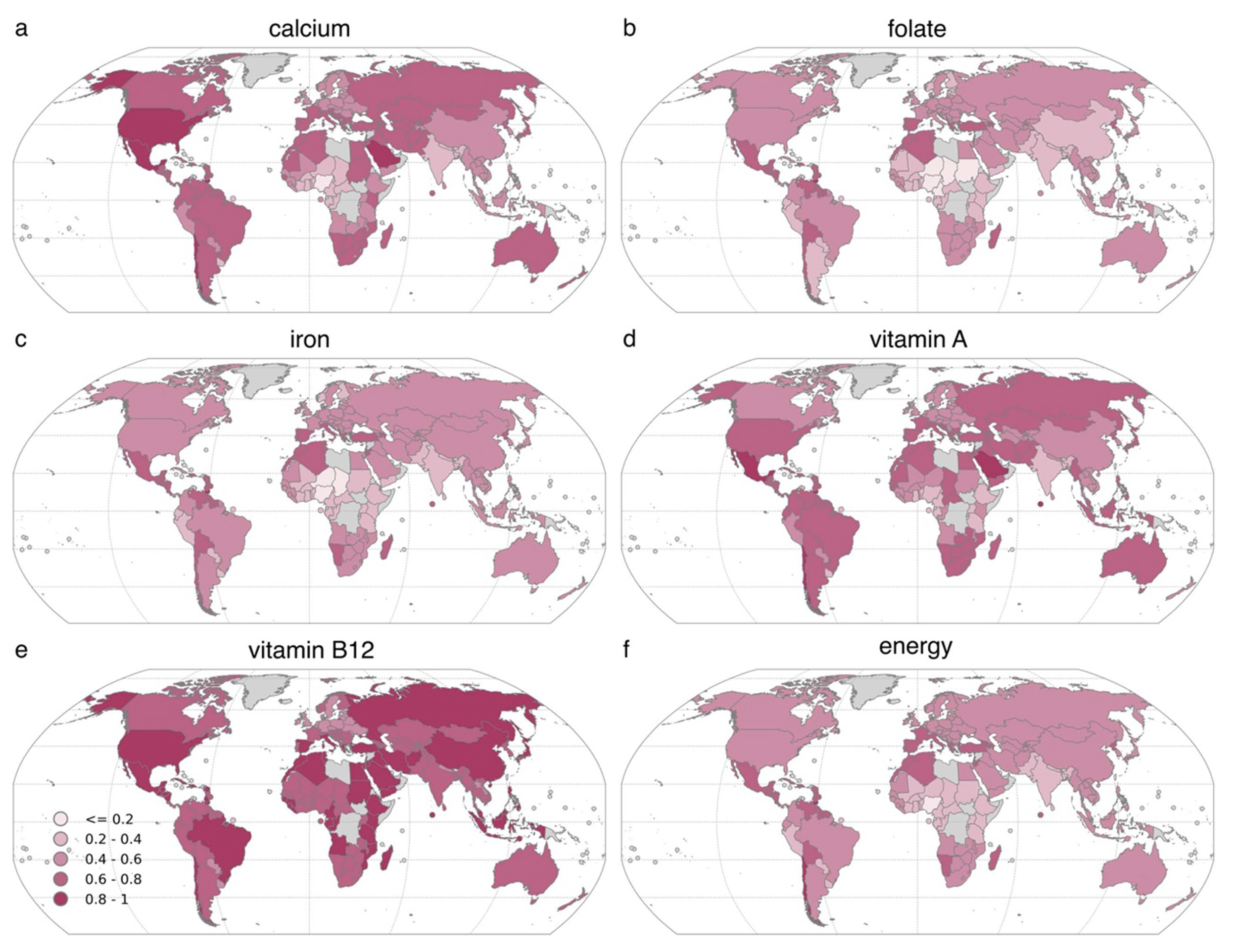
The major findings highlight significant regional variations in climate risks associated with nutrient availability, with notable hazards for vitamin B12 and calcium predominantly found in animal-source foods. By 2041–2060, most countries will face medium or high climate risk to at least one critical micronutrient (calcium, folate, iron, vitamin A, B12).

This figure hows how often each nutrient’s domestic production will face extreme climate 2041-2060. For example, vitamin B12 and calcium face high climate risk due to heavy reliance on animal-source foods. Globally, 75% of calcium, 30% of folate, 39% of iron, 68% of vitamin A, 79% of vitamin B12, and 54% of energy production is projected to face climate extremes by the middle of the century.

Moreover, the analysis reveals that regions such as the Mediterranean and Central America are particularly vulnerable to high climate risks across all studied micronutrients, underscoring the urgent need for tailored resilience strategies to combat rising malnutrition amid the ongoing climate crisis. Countries like India, Nigeria, Tanzania, Mozambique, Madagascar, and Guatemala are projected to face high domestic climate risk across multiple micronutrients. Diverse Production Systems at Risk: Not just cereals, but livestock, aquatic systems, fruits & vegetables, and legumes & nuts are all vulnerable—particularly in tropical and low-income regions.

Why is the research important?

  • It goes beyond staples: Most climate-food modeling studies focus on crops like wheat or rice. This one looks at nutrients that actually matter for health — like iron and vitamin A — and includes diverse food groups, including fish and vegetables.

  • It links climate change directly to human nutrition, not just yields or calories.

  • It recognizes that countries differ in their vulnerabilities and offers tools and strategies tailored to different kinds of risk profiles.

  • It provides a new framework for integrating food, nutrition, and climate policy. Countries can use this to prioritize where to invest — whether in farming, aquaculture, trade policy, or nutrition programs.

  • It shows that climate change threatens global nutrition goals, not just in fragile states. Even high-income countries could be affected if their food systems are too narrow or reliant on specific sectors.

What are the major calls for action?

  1. Develop national commitments to nutrition in National FS Pathways, Nationally Determined Contributions and National Adaptation Plans.

  2. Support diversified, climate-resilient food production.

  3. Build food and nutrition security into market systems.

  4. Expand safety nets and food environment policies to protect the most vulnerable.

I presented this work at the Global Alliance for Improved Nutrition back in April 2025. Here is the slide deck. Enjoy!

The Archive Appetizer: Integrating Climate Services for Nutrition Action

Recently, my team published a review exploring the intricate relationship among climate change, food security, and nutrition. Our study is rooted in the understanding that climate change significantly affects nutritional outcomes, particularly among vulnerable populations. We conducted a scoping review to identify and synthesize country-level programs that effectively integrate climate services into health systems and nutrition interventions. By doing so, we aimed to highlight the diverse strategies employed across settings, focusing on both direct and indirect interventions related to health and nutrition, while emphasizing the need for aligned actions across sectors.

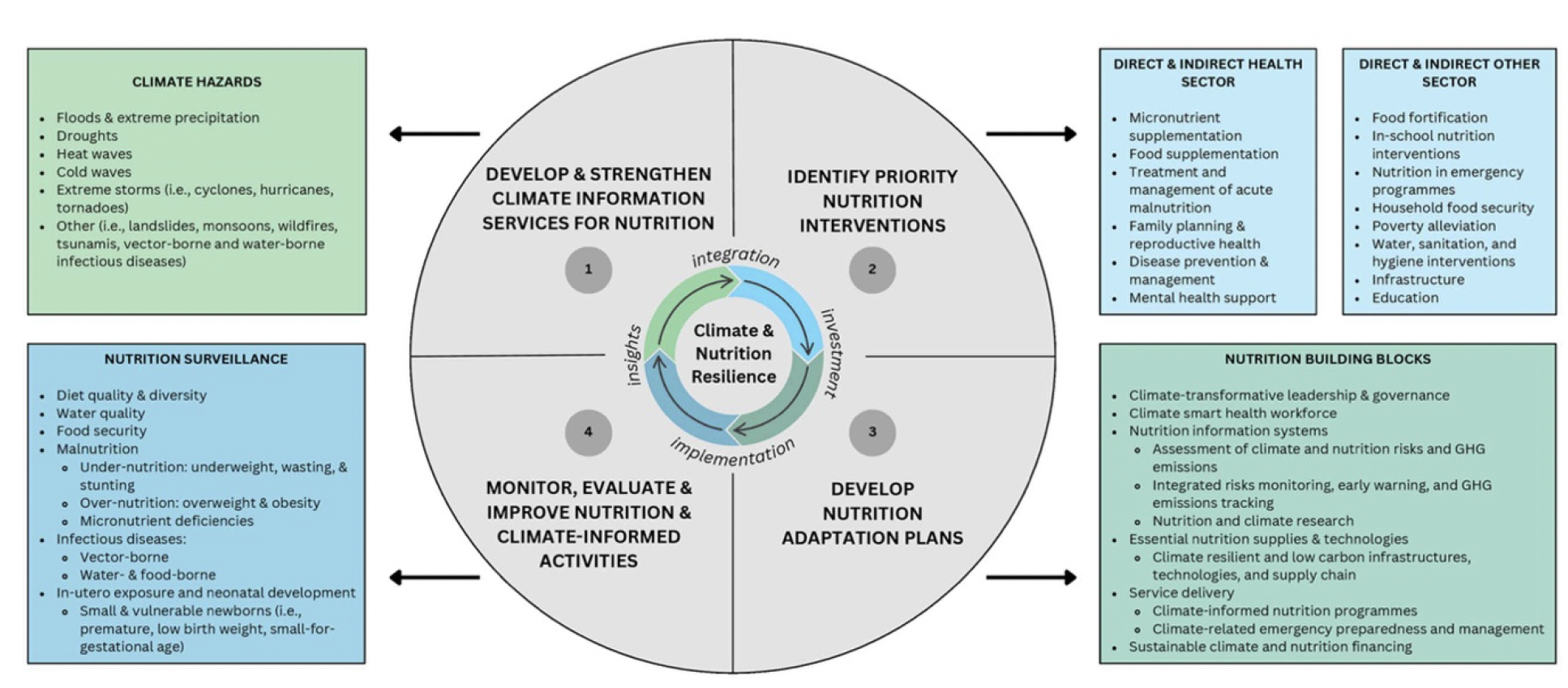
Our findings revealed 67 country-level programs that demonstrate innovative approaches to addressing the challenges posed by climate extremes, such as floods and droughts. We categorized these interventions using a framework that considers direct health-care strategies and various other sectoral strategies that affect nutrition.

Climate information and national nutrition planning and response conceptual framework (Carducci et al 2025)

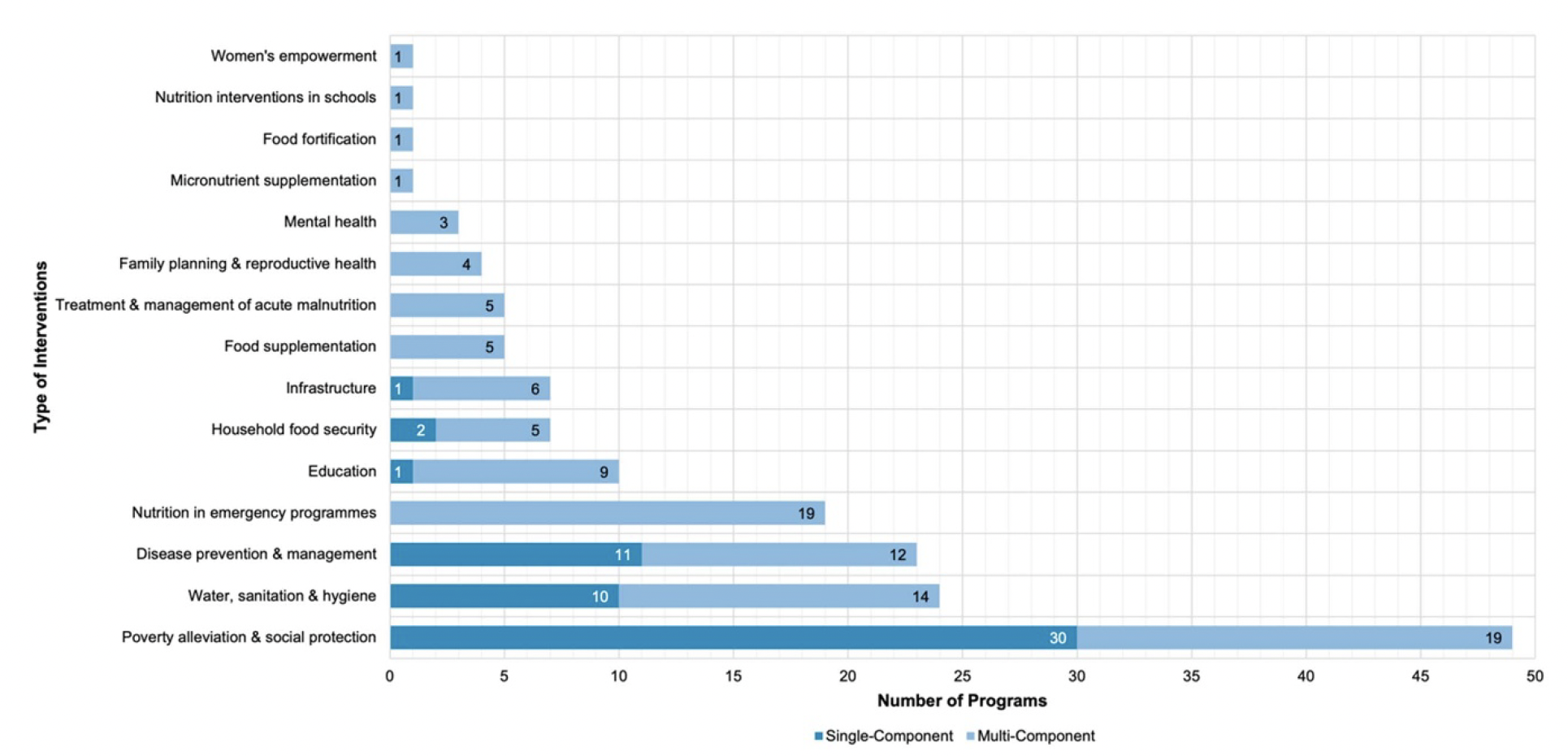
Of these 67 programs, 42 were single-component, while 25 were multi-component, showcasing a variety of approaches to address the interconnectedness of climate change, nutrition, and health. For example, several initiatives specifically targeting women and children were noted, although many programs were more generalized, addressing broader populations affected by climate-related hazards.

Number of programs, by intervention type and component (Carducci et al 2025)

Among the specific programs mentioned, strategies varied widely across regions. In Bangladesh, for instance, multi-hazard climate information services were implemented to prepare for floods and droughts, while in Uganda, the Global Flood Awareness System was used to prevent disease, particularly diarrhea and malaria. Notably, Burundi's programs focused on anticipatory actions for flood management, incorporating both national and regional climate prediction efforts. Meanwhile, Zambia's initiatives used climate information to enhance malaria control efforts, underscoring the importance of integrating local and international resources to address public health challenges.

Interestingly, many initiatives were found to be more indirect, operating outside of traditional health interventions. This underscores the critical need for collaboration across sectors to prepare for and respond to climate-related challenges while improving nutritional outcomes for affected communities.

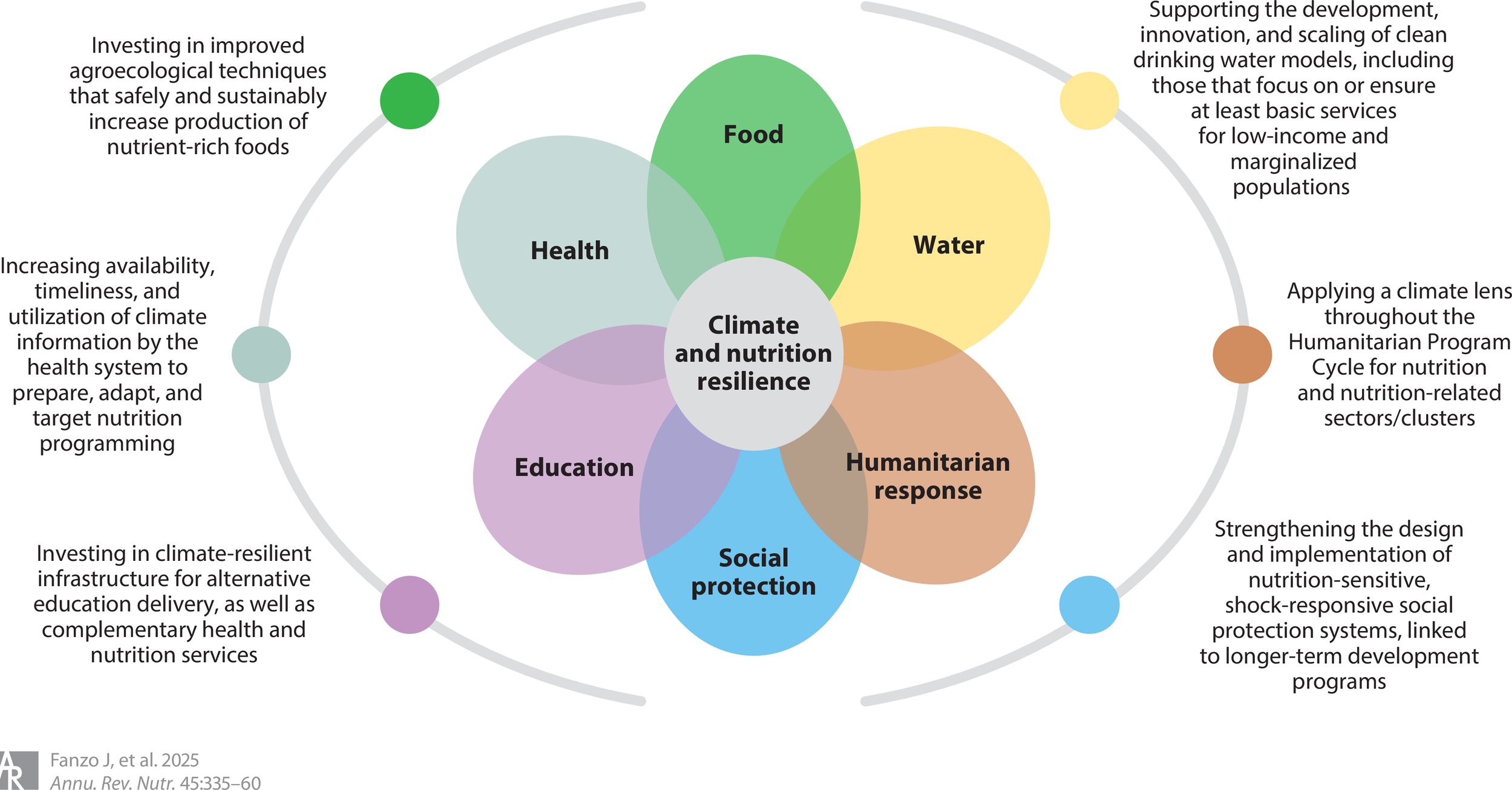
In conclusion, we advocate for strong partnerships between climate information service providers and stakeholders in the health and nutrition sectors. Our synthesis emphasizes that integrating climate services into nutrition policy and programming is not only beneficial but also necessary for developing resilient strategies to protect public health from the impacts of climate change. Through effective cooperation, knowledge sharing, and a focus on data-driven approaches, we can enhance our preparedness and response to the intertwined challenges of climate change and nutrition.

Navigating Climate and Nutrition Challenges

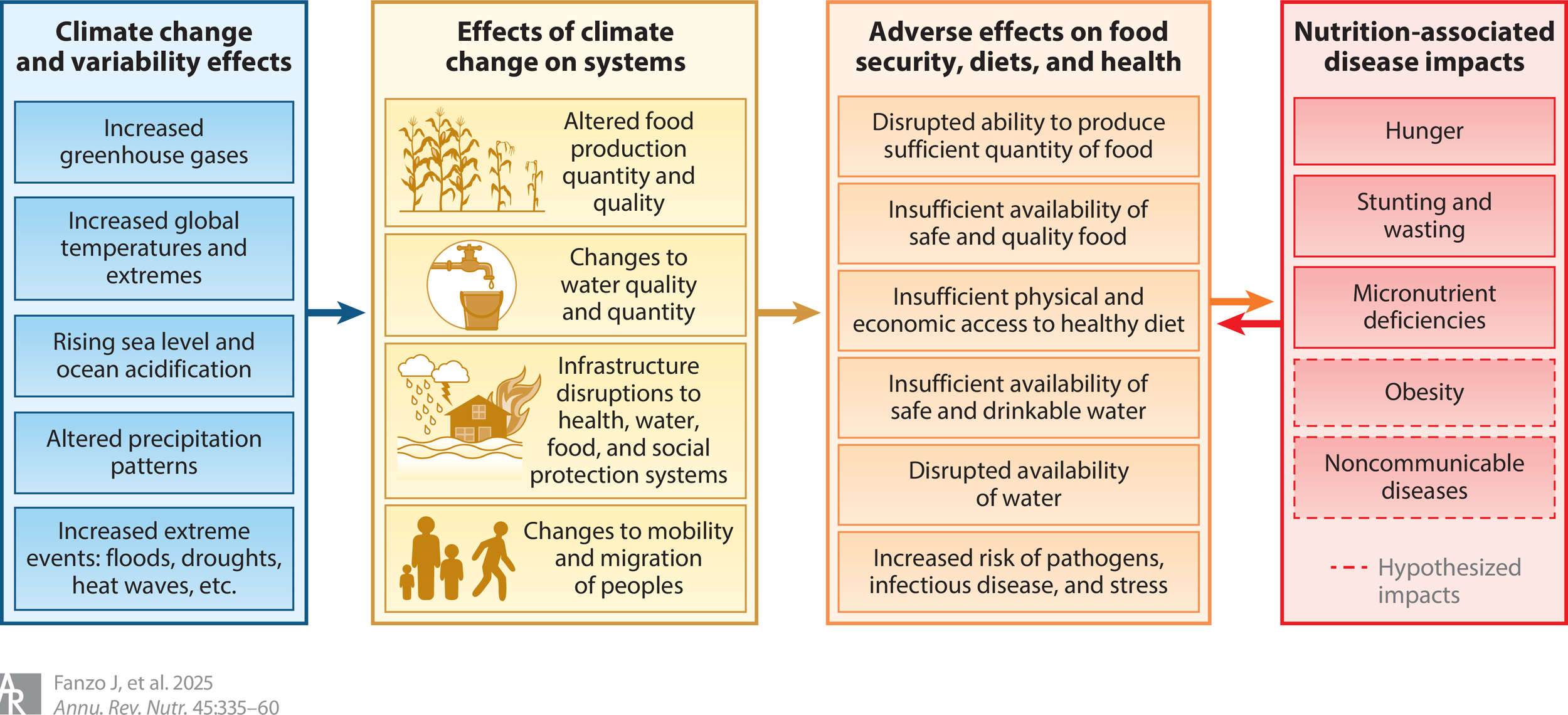
In the ongoing discourse surrounding climate change, the world needs a deeper examination of the multifaceted effects climate change and extreme weather events exert on global nutrition and food security. Climate change will likely intensify food insecurity, malnutrition, and the prevalence of noncommunicable diseases worldwide, as shifting climatic conditions disrupt agricultural production and water availability. It is also recognized that enduring effects can be expected as warming converges multiple climate stressors, thereby aggravating pre-existing vulnerabilities in food systems, particularly in low-income and resource-challenged regions.

We published a paper in the Annual Reviews of Nutrition this past year that highlights the intricate connections between extreme climate events and nutrition outcomes. Overall, as the review suggests, current studies on the impacts of climate change on nutrition remain limited, particularly regarding overlapping crises such as conflict and economic instability, which compound the effects of climate stressors.

One of the critical findings of the review is that extreme weather events, particularly droughts and floods, are strongly associated with various forms of malnutrition. For example, a systematic review and meta-analysis indicated that climate-related precipitation events, such as excessive rainfall and drought, are positively correlated with malnutrition. However, the nature of these effects varies by location, age, gender, and timing. The analysis suggested that drought conditions are significantly associated with increased rates of childhood wasting—a condition in which children are acutely malnourished and exhibit a low weight-for-height ratio.

An analysis involving 580,000 observations of children across 53 countries further supports this assertion. By using a derived Standardized Precipitation Evapotranspiration Index (SPEI), researchers investigated how precipitation anomalies may be associated with increased malnutrition among children. This study emphasizes the critical impact of climate variability on the nutritional status of vulnerable populations, particularly children under 5 years of age. However, the findings regarding underweight prevalence were less conclusive, primarily because various factors influence underweight and do not capture the full spectrum of malnutrition as comprehensively as stunting or wasting.

The review also emphasizes the need to explore the compounding risks posed by extreme weather events in a more nuanced manner. Extreme weather and climate events often occur in complex combinations—referred to as compounded events—that can exacerbate consequences not just for food security but also for population health. However, research remains limited in understanding the temporal and spatial nature of these compounding events and their specific impacts on nutrition outcomes.

Consequently, we assert that there is a pressing need for more sophisticated research methodologies, including longitudinal studies, to understand better the causal relationships and dynamic interactions between climate variability and nutrition. We should pay special attention to the need to employ advanced data analysis to assess the intricate patterns within these phenomena, thereby equipping policymakers with better insights for effective responses.

In summary, our understanding of how extreme climate events influence nutrition outcomes reveals both the severity of the challenges we face and the gaps in existing research. We must address the urgency of obtaining comprehensive data, refining analytical methods, and fostering interdisciplinary partnerships to understand better and respond to the dynamic relationship between climate variability and nutritional outcomes. Only through these concerted efforts can our global community hope to develop effective policies to build resilience against the inevitable shifts that climate change will bring to food systems and human health.

The Archive Appetizer: Integrating nutrient dynamics into crop models

This blog post is cross-posted on the AgMIP site and written by Natalie Kozlowski.

More than 2 billion people worldwide face the risk of micronutrient deficiencies due to the limited availability or affordability of nutritious foods. A new paper in Nature Climate Change presents a novel framework for integrating nutrient dynamics into crop models, such as the Decision Support System for Agrotechnology Transfer (DSSAT), while also highlighting the urgent need for experimental datasets to support this nutritional modeling. This integration will offer key insights into how to strengthen nutrition interventions in a changing climate.

Climate change is expected to intensify challenges related to food security and dietary diversity through shifts in crop productivity, greater yield and price volatility, market disruptions, food safety concerns, and reductions in the nutritional quality of the global food supply. These challenges may be further exacerbated by the potential dilution of key nutrient concentrations in staple crops due to rising atmospheric carbon dioxide levels.

Figure 1. Inputs, processes, and outputs to assess nutrient dynamics in crop models.

  • Nutrient uptake in roots throughout their lifecycle based on the initial pool of nutrients available in the soil

  • Nutrient accumulation in relation to daily plant mass growth and harvestable product

  • Soil factors affecting the solubility and movement of available nutrients in the soil

  • Impact of temperature, water stress, or other atmospheric factors on nutrient uptake per phenological stage

The paper marks an important advance in bringing nutrient dynamics into crop modeling and underscores the limited availability of comprehensive datasets beyond staple crops. The authors also call for urgent, collaborative research among climate scientists, farmers, crop modelers, plant biologists, and public health nutrition practitioners to safeguard nutrition under climate uncertainty. By integrating nutrient dynamics into crop models, we also improve our understanding of how climate-driven changes will affect and influence the ability for global populations to receive essential nutrients from the food they consume.

Carducci & Guarin et al. is now available to read in Nature Climate Change here.

Food Bytes: September 2025 Edition

FOOD BYTES IS A (ALMOST) MONTHLY BLOG POST OF “NIBBLES” ON ALL THINGS CLIMATE, FOOD, NUTRITION SCIENCE, POLICY, AND CULTURE.

Food Bytes is back after taking August off (already practicing my ferragosta!). I think I say this every month, but it is hard to keep up with all the fantastic science and reports coming out. So let’s get to it.

The “Feeding Profit” report, published by UNICEF, argues that today’s food environments are systematically failing children by flooding markets and everyday spaces with cheap, ultra-processed foods that are aggressively marketed, thereby limiting access to nutritious choices. The data support this. Globally, 5% of children under the age of 5 and 20% of children and adolescents aged 5–19 live with overweight, and for the first time in 2025, obesity among 5–19-year-olds (9.4%) has overtaken underweight (9.2%). In many low- and middle-income countries, the prevalence of overweight individuals has more than doubled since 2000, and these countries now account for 81% of the global overweight burden (compared to 66% in 2000). The report finds that children’s diets are increasingly dominated by ultra-processed foods and sugary drinks, displacing more nutritious options, such as fruits, vegetables, whole grains, pulses, and animal-source foods (see the figure on the right). It highlights that for infants and children aged 6–23 months, only a minority meet minimum acceptable diet standards — e.g., globally, ~61% meet the minimum meal frequency standard, but only ~32% achieve the minimum dietary diversity (i.e., ≥ 5 food groups). It emphasizes that food environments—encompassing pricing, availability, marketing, and convenience—strongly shape diet quality, and that poor diets are not merely individual choices but are structurally driven by unhealthy food systems that food and beverage companies often interfere with and manipulate. Finally, it advocates for reforms such as reallocating agricultural and trade subsidies toward nutritious foods, regulating marketing and labeling, and enhancing social protection to make healthy diets more accessible and affordable.

Speaking of unhealthy foods, the Nature article, “Are ultra-processed foods really so unhealthy? What the science says,” scrutinizes whether the broadly used category of ultra-processed foods is scientifically justified, arguing that the classification may be overly heterogeneous to guide nutrition policy. While numerous observational studies link the consumption of ultra-processed foods to obesity, metabolic disease, and mortality, critics counter that many of these associations stem from confounding factors (e.g., overall diet quality, energy intake) rather than the definition of ultra-processed foods itself. The piece calls for improved definitions, mechanistic studies, and nuance in policy action, suggesting that a one-size-fits-all ban or tax on these foods may misfire without a clearer scientific basis. I think many working in this space disagree….

The study “Benchmarking progress in non-communicable diseases analyzes changes in cause-specific mortality across 185 countries from 2010 to 2019, utilizing age-specific death rates and life-table methods to estimate the probability of dying from non-communicable diseases before the age of 80. During that period, non-communicable disease mortality declined in 82% of countries for females and 79% for males; however, the pace of decline slowed compared to 2001–2010, and in a minority of countries, the probability increased. Circulatory diseases contributed most to mortality reductions, while neuropsychiatric disorders, pancreatic and liver cancers, and diabetes offset gains in many settings.

Moving on to the area of sustainable diets, an interesting report , Meat vs EAT, was released last week, revealing a coordinated online backlash against the EAT Lancet Commission report. The backlash was driven by a network of 100 mis-influencers responsible for nearly 50% of posts and over 90% of engagement during the initial backlash. ​ Key hashtags, such as #Yes2Meat, reached 26 million people, surpassing the 25 million reached by pro-EAT-Lancet posts, with critical messages being shared six times more frequently than supportive ones (see Figure to the left). ​ Industry ties were evident, while mis-influencers monetized their advocacy through books, subscriptions, and events. None of this is shocking. With the second Commission report coming out this week, and the current global political turmoil, it will be interesting to see how they address the Commission's findings and its scientists. Their playbook? Attack the scientists, not the science. Boooo!

Let’s stay on this broad topic. A new study highlights the significant health impacts of anthropogenic climate change, including deaths, illnesses, and disabilities, with a focus on heat-related mortality, extreme weather events, and diseases like malaria and dengue. While most research has concentrated on high-income countries and temperature-related risks, recent studies have expanded to include air pollution, child health, and displacement, revealing substantial economic losses valued in billions annually. ​ The authors emphasize the need for more geographically diverse and equitable research, particularly in the global south, to better understand and address the health consequences of climate change.

Speaking of climate change, this study uses US household food purchase data (2004–2019) linked with meteorological records to quantify the effect of temperature on added sugar consumption. Results show that intake rises sharply between 12 °C and 30 °C (~0.7 g °C⁻¹), driven primarily by sugar-sweetened beverages and frozen desserts, with disproportionately larger effects among lower-income and less-educated groups. Projections under a 5 °C warming scenario suggest average daily added sugar intake will rise by ~3 g per person by 2095, exacerbating nutrition-related health risks and inequalities. Interesting study? Yes, we need to understand how climate extreme events impact dietary quality and nutrition outcomes. But are the findings significant? Probably not…3 grams of sugar ain’t much…

And to pivot a bit, the Lancet published "Getting back on track to meet global anaemia reduction targets: a Lancet Haematology Commission." The Commission assesses why the world is far off track to meet global anaemia reduction targets and provides a roadmap to get efforts back on course. As it stands, anaemia affects nearly 2 billion people worldwide, and most countries are far off track to meet reduction targets. Five takeaways:

  1. Anaemia has multiple drivers, from poverty, food insecurity, and poor WASH to infections, chronic diseases, and inherited blood disorders. Recognising this complexity is key to designing context-specific solutions.

  2. Reliable surveillance is patchy. Nearly half of the countries lack recent national anaemia data for women or children, and almost none collect comprehensive cause-specific information. Better integrated data platforms are urgently needed.

  3. Iron deficiency remains the leading cause, but infections, inflammation, micronutrient deficiencies, blood loss, and environmental stressors (like air pollution and climate change) all play major roles. Interventions must address this whole spectrum.

  4. Reducing anaemia requires strong governance across health, nutrition, and social sectors. Equity and human rights should be central, ensuring programmes reach the most vulnerable while being tailored to local contexts.

  5. The current WHO target of a 50% reduction by 2030 is unattainable with existing tools. A new evidence-based framework suggests a more realistic 12–22% global reduction, with country-specific goals that balance ambition and feasibility.

A companion article, “Anaemia in a time of climate crisis” published by your Food Archiver surveys how climate change — through effects like extreme heat, altered rainfall, and reduced agricultural yields — threatens to exacerbate global anaemia. It argues that vulnerable populations (especially women and children) in already high-burden settings will face worsening micronutrient deficits unless interventions integrate climate resilience into nutrition and health systems.

Gotta love Molly, oh how I miss the 80s!

A few interesting media pieces for your reading pleasure:

  • Sushi has become the grab-and-go, convenient food. Interesting how something raw has become so mainstream. (love the shoutout to Molly Ringwald in Breakfast Club)

  • An article on the beauty and craft of pizza.

  • I recently traveled to Mexico City and had a hard time finding good Mexican food. Why? Damn gringos are all moving there demanding, you guessed it, sushi and pizza.

  • Fantastic piece by Illana Schwartz, a Columbia University climate student, on the climate vulnerability of NY’s food supply, particularly the Hunts Point Cooperative Market, the point of distribution for 35 percent of the meat that enters the five boroughs. That’s more than 1 billion pounds of meat annually.

  • A Guardian article on why meat’s contribution to climate is often ignored by the media.

  • Breaking the trend of consolidation, Kraft Heinz, the makers of Kraft Mac and Cheese, Lunchables, and, you guessed it, Heinz ketchup, is breaking up:

  • Last, an important article on what happens to children when they become increasingly acutely malnourished. Recall that FEWS Net and others have declared that many parts of Gaza are now experiencing famine. Incredibly tragic.

And some final random thoughts. The great Italian actress Claudia Cardinale passed away this week. We were inspired to watch her in Werner Herzog’s Fitzcarraldo. Such an insane movie. Even better is to watch the making of it in the documentary, “Burden of Dreams.” Herzog is at his finest when he discusses nature and the jungle…His words resonate on the fragility of our world and humans in it.

Illuminating a climate-resilient future for pastoralists

Pastoralists—communities who raise livestock in arid and semi-arid lands—are central to food security in Kenya and much of Africa. They practice transhumance, moving herds seasonally between grazing areas to match forage availability, and employ extensive knowledge of variable landscapes to thrive where others struggle. Their mobility, social networks, and deep environmental understanding make them incredibly resilient. Pastoral communities supply large shares of milk and meat in regions where farming is nearly impossible.

Photo taken by Jess in northeastern Kenya, 2008

Pastoralism covers more than half of the Earth’s land surface, supporting hundreds of millions of people, especially across Africa and Asia, in areas where conventional farming doesn’t work. In Africa alone, the African Union estimates that pastoralism contributes between 10% and 44% of national GDP in pastoralist-reliant countries—underlining its economic significance and the structural risks of sidelining these communities.

But their way of life is under increasing threat. Worsening droughts, shrinking access to water and grazing land, and competition over scarce resources have made it harder to sustain herds. Many pastoralists, especially the younger generation, are leaving behind livestock herding for other livelihoods, but these alternatives are often limited, insecure, or inaccessible to the poorest. As one pastoralist put it starkly: “The future for pastoralists is dark unless something is done.”

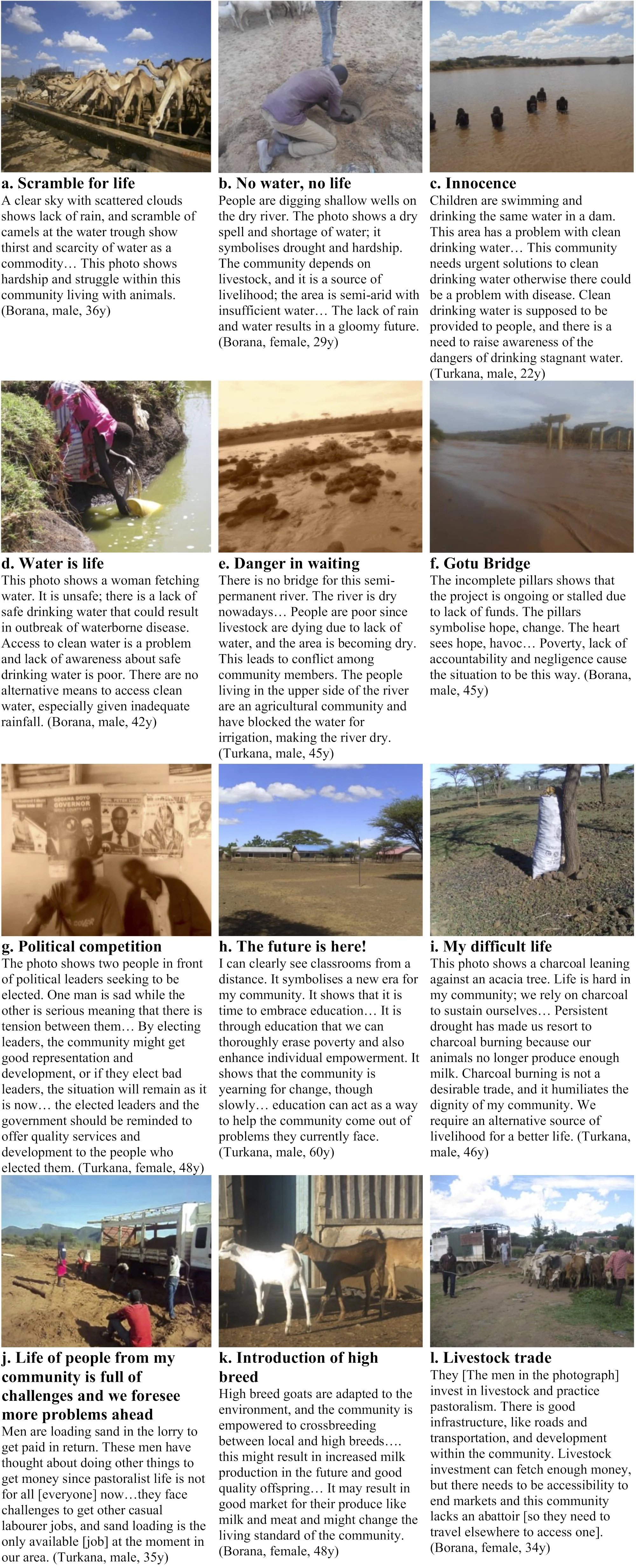
A new study published in Ecology and Society, led by Elizabeth Fox (now at Cornell), who at the time was a postdoc in my group, in collaboration with colleagues in Kenya, worked with Borana and Turkana communities in Isiolo County, Kenya, using photos and interviews to capture pastoralists’ own perspectives on what’s happening. People described how climate change has eroded traditional coping strategies, such as moving with herds or relying on community networks. Land once shared is now fenced off for farming, conservation, or settlement. Traditional authority structures have weakened, and political representation remains limited. Many participants felt neglected by leaders and frustrated by top-down programs that provide mismatched support—like giving seeds when there’s no water. Some have turned to short-term survival strategies such as charcoal burning, which are environmentally destructive and unsustainable.

Below shows the story of pastoralists – through their eyes – using photo elicitation in which pastoralists were given cameras, asked to take pictures about the “story of pastoralism” and then select the photographs that were most salient to them. They chose the titles and descriptions of each photograph.

Yet, pastoralists also identified opportunities for a more hopeful future (see table below). They pointed to the need for practical interventions: better veterinary care and water infrastructure, land rights and grazing corridors, fair livestock markets, training for value-added businesses, and education that creates diverse job opportunities without abandoning pastoral traditions. Most importantly, they emphasized being included in decisions about their future. The takeaway is clear: pastoralists already know what they need. The challenge is for governments and development partners to listen, invest in equity, and support solutions that allow pastoralist communities to thrive while adapting to climate change. Without this, not only pastoralists but also the broader food systems they sustain stand to lose.

This pastoral way of life is vulnerable unless safeguarded. Policies that restrict mobility, privatize grazing lands, or ignore pastoral voices threaten not only their survival—but the broader ecological balance they help maintain. Supporting pastoralists with secure grazing corridors, recognition of communal rights, and adaptive governance isn’t charity—it’s an act of stewardship for resilient, sustainable futures.

This research was just published in Ecology and Society (2025) and is available here.

Global Hunger Is Falling Slightly—But Food Remains Too Expensive for Billions

Every July, the State of Food Security and Nutrition in the World (SOFI) report drops — and for anyone tracking global hunger, diet affordability, or food policy, it’s essential reading. Produced by the UN Food and Agriculture Organization (FAO) and its partners, SOFI offers the most authoritative annual snapshot of where we stand on food security and nutrition.

This year’s report shows cautious progress: global hunger is down slightly, but the cost of a healthy diet remains out of reach for billions. Inflation, inequality, and fragility are reshaping who eats well — and who doesn’t.

HUNGER: Some Progress, But Too Many Still Go Hungry

Hunger, as measured by the Prevalence of Undernourishment (PoU), dropped from 8.7% in 2022 to 8.2% in 2024 — a reduction of 15 million people since last year and 22 million since 2022. That means an estimated 673 million people still go to bed hungry. It’s progress, and progress is worth celebrating, especially after several years of worsening trends.

There have been gains in food security in Asia and Latin America, but hunger has worsened in Africa. In 2024, over 20% of Africa’s population — 307 million people — are estimated to be hungry.

Women and rural communities continue to be disproportionately affected by food insecurity.

If this trajectory continues, 511 million people are projected to be hungry by 2030 — 60% of them in Africa. Meanwhile, the global prevalence of moderate or severe food insecurity — which captures people's experiences of constrained access to adequate food — dipped slightly from 28.4% in 2023 to 28.0% in 2024, affecting 2.3 billion people.

Prevalence of undernourishment from 2015 to 2024 across world, regions and sub-regions (FAO SOFI 2025)

FOOD AFFORDABILITY: Still Out of Reach for Billions

A healthy diet remains unaffordable for 2.6 billion people — though that’s down from 2.9 billion in 2020. Fruits, vegetables, and animal source foods (ASF) consistently cost the most per calorie, while ultra-processed foods are often the cheapest (a data point not in the report, but worth noting — nearly 60% of the American diet is made up of highly processed foods).

Affordability challenges are rising in many places, particularly in low-income countries. The inability to afford a healthy diet disproportionately affects the poor and is a major driver of food insecurity and malnutrition.

The millions who cannot afford a healthy diet from 2017 to 2024: low to high income countries (FAO SOFI 2025)

FOOD INFLATION: A Major Driver of Unaffordability

Global food prices surged in 2023 and 2024, pushing the average cost of a healthy diet to $4.46 PPP per person per day — up from $4.30 in 2023 and $4.01 in 2022. Food price inflation jumped from 2.3% in 2020 to 13.6% in 2023, far outpacing headline inflation (8.5%).

Unlike commodity price indices that track items like soybeans or sugar, this metric reflects the cost of what people actually eat. And those costs are going up — fast.

WHY FOOD INFLATION? It's Not Just the War and COVID

The COVID-19 pandemic and the war in Ukraine triggered dramatic spikes in global food commodity prices in 2021 and 2022, amplified further by rising energy costs. In the U.S. and the euro area, these shocks explained 47% and 35% of peak food inflation, respectively. The rest came from other factors: higher labor costs, exchange rate shifts, increased profit margins along supply chains, and extreme weather events that hit major breadbasket regions.

Meanwhile, governments injected $17 trillion in fiscal support during the pandemic, while consumption rebounded sharply in 2022. The U.S. dollar appreciated by over 20% compared to low- and middle-income country currencies by 2022, and the U.S. Federal Reserve expanded the monetary supply by $2.2 trillion over four years. The result? Domestic food inflation has remained stubbornly high.

WHO IS MOST IMPACTED? The Poor, Women, and Rural Communities

Food inflation hits low-income households the hardest, since they spend a larger share of their income on food. In many countries, wages haven’t kept pace. Purchasing power for food continues to vary widely, especially in fragile and conflict-affected settings like Syria.

A 10% increase in food prices is associated with a 3.5% rise in food insecurity, a 5.5% rise in child wasting, and a 3.5% rise in stunting.

Food price inflation as compared to headline inflation and food the consumer price index (FAO SOFI 2025)

NUTRITION: Mixed News

There’s been slow but real progress on reducing childhood stunting — down from 26.4% in 2012 to 23.2% in 2024. Given how hard it is to shift chronic undernutrition, this is meaningful progress but still way too slow. Wasting is flatlined and anemia among women has worsened. But obesity is rising across all age groups. And globally, we’re not on track to meet any of the major nutrition targets.

What can be done?

There’s no silver bullet — but there are well-known, proven policy actions:

  • Subsidize healthy foods for low-income families

  • Expand climate insurance and risk protection for farmers

  • Reduce trade restrictions that limit food exports

  • Scale social protection programs to shield vulnerable households

  • Ensure transparent monetary policy to tame inflation

  • Invest in agri-food R&D, transport and storage infrastructure, and real-time market information systems to build long-term resilience and reduce volatility.

I spoke to CBS Evening News last night, summarizing the latest. Check out the video below.


Food Bytes: July 2025 Edition

FOOD BYTES IS A (ALMOST) MONTHLY BLOG POST OF “NIBBLES” ON ALL THINGS CLIMATE, FOOD, NUTRITION SCIENCE, POLICY, AND CULTURE.

So much for the summer slowdown. This past month has seen a deluge of new reports, papers, and commentary on food systems, climate change, and health. It’s hard to keep up — maybe even overwhelming. As Dennis Hopper famously said in Apocalypse Now, “Zap ’em with your sirens!” We seem to be doing just that. Maybe we have to. With policymakers tuning out, turning inward, or dropping out (apologies to Timothy Leary), the push to break through the noise is relentless—and admirable. People are working tirelessly to get the message across.

But is it working? There’s so much noise now that it’s hard to know where the signal is.

Still, in the middle of the flurry, don’t forget to pause. Listen to some good music (here’s a summertime playlist I made a few years ago). Step into the sun. Enjoy every sandwich. We lost some legends this month—David Nabarro and Gretel Pelto in the food world, and Ozzy Osbourne, Chuck Mangione, and Sly Stone in the music world. A reminder: every day is something to behold, and none of us knows how long we’ve got. TOMORROW IS NOT GUARANTEED.

Now, on to Food Bytes. It’s the dog days of summer, and we’ve got a lot to cover—some good, some bad, and some downright ugly. Let’s get into it.

——-———————————————————————

Yes, experts are still debating how to feed the world, and Mike Grunwald’s recently published book, We Are Eating the Earth, has sparked some of the discourse. Hannah Ritchie, from Our World In Data, also with an amazing Substack, lays out some of the disagreements here. According to Climate Works, some actors perpetuate false narratives that distort the public's understanding of food systems, and the global community must actively dismantle these narratives to enable a shift toward truly sustainable, healthy, and equitable food systems. One solution that keeps coming up is “regenerative ag.” Speaking of powerful actors, the WBSCD argues that one way to feed the world is through regenerative agriculture. They seem to have the answers with their new global framework.

A slew of papers have been published in the last month on feeding the world under a changing climate. Here are a few highlights. This new paper in ERL shows that in 2024—the first year globally to exceed 1.5 °C warming—extreme heat directly triggered food price spikes for specific commodities, creating broader risks such as worsening economic inequality, societal instability, and pressure on health and monetary systems as climate extremes intensify. The figure to the right shows the climatological context of recent climate-induced food price spikes. Yikes. In this Nature paper, even when accounting for real‑world farmer adaptations across six major staple crops in 12,658 subnational regions, global warming of each additional 1 °C is estimated to reduce crop production by ≈120 kcal/person/day or 4.4% of recommended intake. Adaptation strategies and income growth only mitigate ~12% of those losses by century’s end under a moderate‑emissions scenario—leaving substantial residual yield declines across all staples except rice. Oh me, Oh my. What about key regions? This paper, published in PNAS, analyzed ten sub-Saharan African countries and found that cereal self-sufficiency increased from 84% to 92% between 2010 and 2020. This increase was attributed to yield improvements (44%), cropland expansion (34%), and a crop shift toward maize (22%). To sustain self-sufficiency by 2050 without further land expansion requires boosting annual yield growth rates from ~20 to 58 kg/hectare/year—implying a threefold increase in fertilizer use and substantial investments in agronomic, socioeconomic, and policy areas.

The United States seems to be in a mood of dismantling. Is that an understatement? 😳 Congress passed a bill to undo climate progress — a self-inflicted tragedy of planetary proportions. The “big, beautiful bill” will continue to roll out subsidies for big agriculture and reduce social protection policies to help feed the hungry. This new kind of American exceptionalism will trigger all kinds of problems, and Tracy Kidder chronicles the hunger one. Meanwhile, on the frontlines, immigrants are the backbone (visualized by the Guardian) of our food system — despite policies aimed at changing that. In the fields of California, as shown in this gripping documentary, toil and hope live side by side. The Food Security Leadership Council, launched with Carey Fowler at the helm, will explore how the US can re-engage in ensuring global food security. God speed Carey… god speed….

One of the most egregious parts of the so-called ‘big beautiful bullshit bill’ is how it undermines renewables to prop up coal and fossil fuels. Removing fossil fuels from the food system will necessitate a completely new vision for how food systems are operated and managed. Following the success of its fantastic limited series podcast, IPES has released a report that argues for breaking our addiction. The report reveals that global food systems are profoundly dependent on fossil fuels—accounting for roughly 15% of all fossil fuel use and 40% of petrochemicals—mainly through synthetic fertilizers, ultra‑processed foods, and plastic packaging, creating a critical yet overlooked climate blind spot. More on these foods and plastics in a bit.

Speaking of accelerating climate change, extreme events keep comin’ and are having deadly consequences. Droughts are hitting where you’d least expect — and your grocery bill knows it. The Mekong and Mexico are two such places. Speaking of droughts, this new report maps the drought hotspots around the world—the global south and Mediterranean face massive constraints. And with all these extreme events, it is critical to follow where the money is flowin’ and goin’. The new Climate Finance Vulnerability Index shows who’s left out of climate finance — and who isn’t and where vulnerabilities lie.

FAO 2025

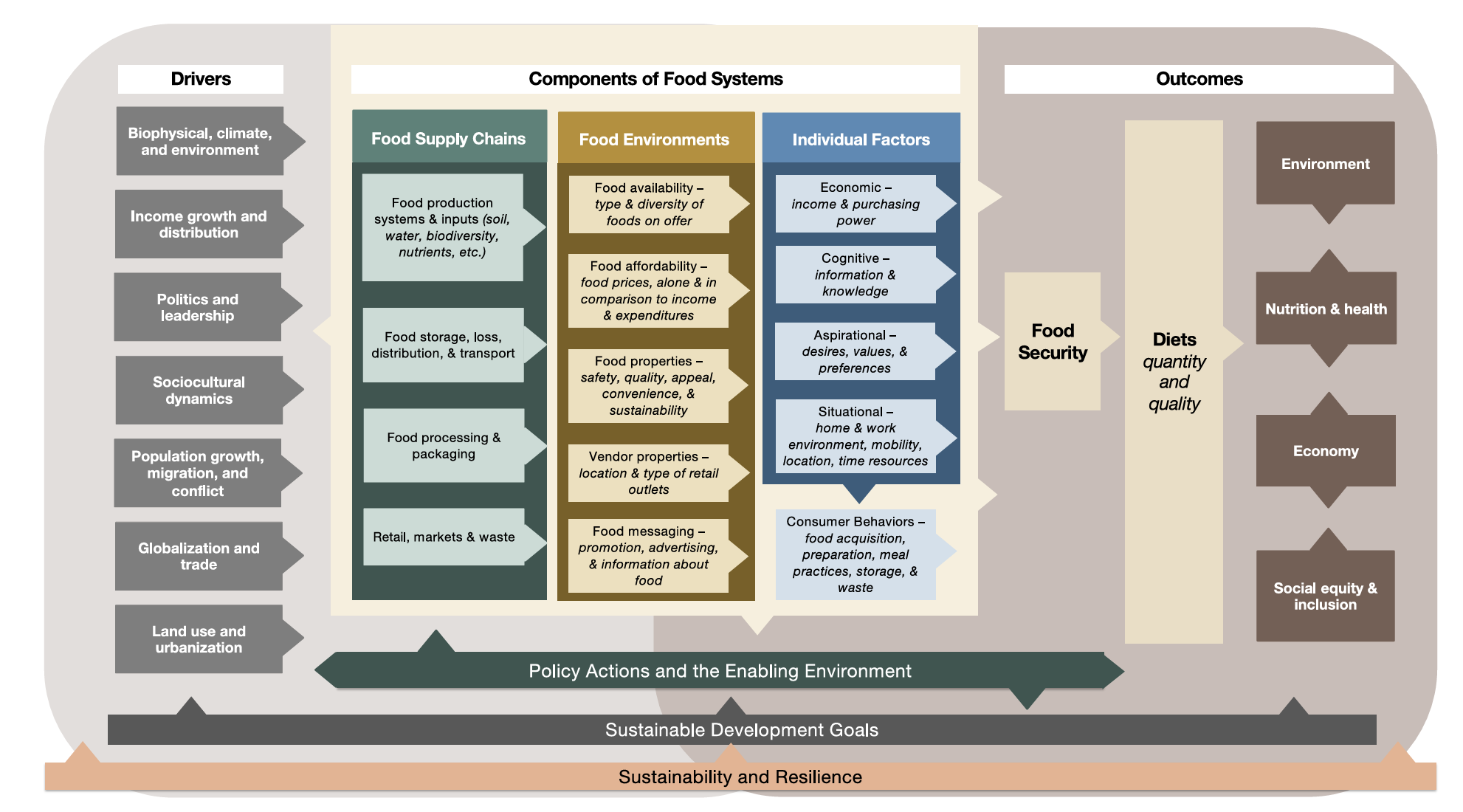
A slew of reports have been published in the past few weeks on food systems - yo! they’re all the rage kiddos. First up is the door-stopper Global Food Policy Report by IFPRI. You will want to take your time getting through this one — all 584 pages. Next up? FAO published a report on what it means to take a food systems approach, led by the innovative Corinna Hawkes. The visual on the right illustrates the benefits of adopting a more systematic approach. GAIN also provided us with lessons and moments of change across food systems. And IFPRI’s new book wonders, what do we know about the future of food systems? Less than we should, but this IFPRI book is chock full of ideas about what the future might look like. In a new publication by the UN Food Systems Coordination Hub, they highlight successful strategies from over 20 countries—including Cameroon, Fiji, Madagascar, Sierra Leone and Zambia—for turning national food systems transformation plans into actionable reforms, offering practical guidance for peer learning, and informed by national reports, dialogues, and contributions from major UN task forces and coalitions.

As people gather this week in Addis Ababa, Ethiopia, for the UN Food Systems Summit Stocktake, governance and action will be at the forefront. In this paper, authors examined 124 UNFSS‑inspired national food system transformation plans. They found that the focus overwhelmingly remains on ramping up food production, while critical dimensions like distribution, processing, consumption, environmental sustainability, labor rights, and animal welfare receive minimal attention, indicating these pathways largely reinforce existing food system norms rather than enacting deeper systemic reform. Another paper shows that effective transformation of food systems hinges on whole‑of‑system governance informed by systems thinking—addressing competing interests, policy incoherence, and entrenched power imbalances by redefining who governs and how decisions are made. They also published a nice policy brief. Lastly, GAIN published a new toolkit to help diagnose food system policy coherence, accompanied by eight country case studies. Well done GAIN and the great Stella Nordhagen! Speaking of diagnosing, the Food Systems Dashboard got some botox injections - check out her new shiny self!

At this point, food systems are such a tangled mess that they read like dystopian satire. Ultra-processed foods appear to be on trial, with charges ranging from obesity to ecosystem collapse. Did you know you can get your morning sweet-ass coffee in a bucket? Civilization: peaking or declining? Talk about plastic use. Want to avoid microplastics in your diet? Maybe you should because plastics are highly complex…This author recommends starting with minimizing ultra-processed foods. Speaking of ultra-processed foods, the Maintenance Phase crew puts them through their ever-scrutinizing ringer. But some fast food companies don’t seem to give a shit. Here is a list of the most unhealthy fast food spots and their offerings in the U.S. Wendy’s “Triple Baconator” (W.T.F.) takes first prize. Speaking of burgers, I guess they are back. But they won’t be cheap this barbecue season. Back to junk food. This paper in PNAS shows that, despite overall higher daily energy expenditure in wealthier populations, size-adjusted basal and total energy expenditure decline modestly with economic development—and account for only ~10% of obesity increases—while elevated caloric intake, especially from ultraprocessed foods, is the dominant driver of rising obesity globally. Who peddles these delicious bombs of unhealthiness? In my opinion, Trader Joe’s is guilty as charged. However, they have quite a cult following. Are they worthy of the hype? This 3-part investigation by Fast Company doesn’t think so and argues that getting you food from the “hippie” leaning joint is detrimental for all kinds of wicked reasons.

One Health Lancet Commission (2025)

And it’s not just our waistlines or grocery carts that are at risk—our food choices are entangled with planetary health, antimicrobial resistance, and zoonotic spillovers, as the latest One Health Lancet Commission makes painfully clear. The Lancet One Health Commission identifies interconnected global threats—including emerging zoonoses, antimicrobial resistance, environmental pollution, biodiversity loss, non-communicable diseases, food insecurity, and climate change—that can no longer be managed in policy or research siloes, arguing these challenges require integrated approaches across human, animal, and environmental health sectors. Drawing on evidence synthesis and case studies across health systems, surveillance, food security, and ecosystem resilience, it proposes concrete strategies for operationalizing One Health—such as embedding intersectoral governance in national laws, establishing integrated early warning systems, and reorienting economic paradigms toward sustainability and equity, The overarching vision is a global One Health governance framework—akin to climate accords or food system transformation plans—anchored in principles of holism, epistemological pluralism, and shared stewardship, designed to foster equitable, sustainable socioecological systems and ensure health security for all.

In the monthly Food Bytes, I aim to highlight the science, evidence, and data—along with the remarkable scientists who generate it all. However, the scientific endeavor, along with the people behind it, is increasingly under threat. Funding is drying up or becoming politicized. Researchers face harassment, censorship, and disinformation campaigns. Public trust is eroding, often fueled by ideological attacks and misinformation ecosystems. And in many parts of the world, speaking evidence-based truth to power now comes with real professional or personal risk. The scientific publishing endeavor doesn’t help. Some argue it is broken, and it is time for urgent reform or a better backup plan. Maybe we need to de-Americanize global science. Speaking of critical data to inform decision-making, the future of Demographic Health Surveys (also known as DHS) is at risk — and with it, the data backbone of global health and food security. The Joint Child Malnutrition Estimates, published by UNICEF, WHO, and the World Bank Group, rely on DHS data, along with other data sources. They were able to put out this year’s data last week, but who knows what will happen in the future? What is the latest on malnutrition trends? Progress is mixed at best, but with the dismantling of USAID, as shown in this and this recent Lancet article and the tragic situation in Gaza (and Sudan), the trends don’t look good to say the least. Jose Andres pleads the case for why we cannot just stand by and watch the starvation unfolding. Devastating.

See ya’ll in Agosto.

Food Bytes: June 2025 Edition

FOOD BYTES IS A (ALMOST) MONTHLY BLOG POST OF “NIBBLES” ON ALL THINGS CLIMATE, FOOD, NUTRITION SCIENCE, POLICY, AND CULTURE.

I just returned from an unforgettable trip to Lao PDR, with two stopovers in Bangkok, Thailand. Laos is a country of striking contrasts—on one hand, it moves with an unhurried, almost meditative rhythm; on the other, it carries the weight of a complicated past, still navigating the long shadows cast by war, particularly the enduring legacy of unexploded ordnance.

By Jess Fanzo, Luang Prabang

As many of you are aware, I’m currently working on a book that explores how the counterculture movements of the long 1960s have shaped today’s food systems. Inevitably, that journey includes grappling with the legacy of the Vietnam War, and as an American, traveling through this region stirs deep reflection. It's impossible not to think about the imprint left behind by U.S. military action and the resilience of communities who’ve had to rebuild in its aftermath.

Yet what struck me most was how far this part of the world has come. There’s a quiet strength in Laos, a gentle pride in its culture, and a determination to move forward without forgetting the past. It’s a powerful reminder of the world’s ebbs and flows, and how, even in the face of immense hardship, there’s the possibility of healing. “This too shall pass” kept echoing in my mind—not as a dismissal of pain, but as a recognition of time’s capacity to soften and transform.

Onward to this month’s Food Bytes.

IFPRI put out a bible in this year’s Food Policy Report. Where the rubber meets the road is Section 5, on effective change and the factors that determine how policy change occurs. One of our new papers led by Stephanie Walton (who is doing amazing work at Oxford) suggests that addressing asset stranding proactively, rather than trying to prevent it, could be a powerful lever for change.

Some great data exercises are out that provide useful nuance in how our food systems are performing. First up is the Systems Change Lab, which assessed progress for 32 outcome indicators in the food system. To help spur transformational change, we also highlight 58 critical enablers and barriers. Results of their analysis? NOT GOOD. The second is by the Better Planet Laboratory, which identifies food flows through nearly every major port, road, rail, and shipping lane worldwide and traces goods to where they are ultimately consumed. It’s called the Food Twin Map.

There are also some great people producing worthy pieces to read and follow. First, the great Bill McKibben has a Substack. I encourage you to read one of his latest entries, “So many moving pieces.” Nicholas Kristof is fighting the good fight and producing many excellent pieces on how the US government’s actions are harming global health and nutrition. Check out this, this, and this. Other institutions are getting in on the action. Bloomberg News has launched a new food column, titled "The Business of Food." The UNDP appears to be making a play in the food systems sector, including the launch of a new Conscious Food Systems Alliance. Fascinating!

Some highlights from journalists writing about food:

  • An interesting take on RFK Jr’s Make America Great Again policy: Grocery Update Volume 2, #4: MAHA Or Misdirection. Grocery Nerd argues that the “MAHA” framework may serve more as political window dressing than actual change.

  • DeSmog reported that food giants Nestlé, JBS, PepsiCo, Mars, and Danone are overstating their climate commitments—leaning heavily on unproven carbon removal schemes, neglecting methane reductions, and relying on weak, loophole‑filled deforestation pledges—according to a new report from the NewClimate Institute and Carbon Market Watch. Gee, what a shocker…

  • In this article by Grist, the blending of at least 30% vegetables or plant proteins into meat products—known as “balanced proteins”—can deliver taste and price similar to conventional meat, while significantly reducing greenhouse gas emissions.

  • This fascinating article in The New Yorker, entitled “Schmear campaign: How a Hazelnut Spread Became a Sticking Point in Franco-Algerian Relations,” is about how the European Union has banned Nutella competitor El Mordjene, a move some see as politically and racially motivated.

  • In the New York Times, they have a new series, “What is History.” They kicked off the series with two articles on food: One by Jacques Pepin on culinary pursuits and the other by Carey Fowler on the biodiversity of our food supply.

  • I fully admit to being a fan of Elizabeth Kolbert, and she delivers with her latest article: "Do We Need Another Green Revolution?" Worth your time to read along with all of her work.

  • Michael Grumwald has a new book out, and he wrote a piece, A Food Reckoning Is Coming, as part of his book tour. Another worthwhile and perhaps divisive read.

Some highlights from the science literature

  • This study validates the Healthy Diet Basket—a least-cost dietary model based on food-based dietary guidelines—as a globally consistent benchmark, finding that it delivers adequate macronutrients and micronutrients at about US $3.68/day.

  • Whereas this study argues that dietary species richness (DSR)—a measure of the number of different edible species in a diet—is the most effective global marker for capturing food biodiversity. They also show it correlates strongly with lower mortality in Europe compared to other diversity indices, and tracks micronutrient adequacy in low- and middle-income countries.

  • Speaking of diets, this study uses a linear programming model of over 2,500 U.S. foods to show that individually tailored vegan, vegetarian, and flexitarian diets (with ≤255 g of pork and poultry per week) can meet nutritional needs, align with the Paris Agreement's 1.5 °C climate target, yield up to ~700 healthy-life minutes per week, and reduce climate impacts sevenfold.

  • Fortification remains essential and is considered a cost-effective way to fill nutrient gaps. Check out this modeling paper.

  • On processing…This NEJM perspective argues that mounting evidence linking ultraprocessed food consumption to increased calorie intake, obesity, and chronic disease necessitates regulatory policies—such as front‑of‑package labeling, marketing restrictions, and excise taxes—to curb their public health impact. Not sure there’s anything new here.

  • Numerous modeling papers are being published on the impacts of climate change on food production. This paper models six usual suspect staple crops — maize, soy, rice, wheat, cassava and sorghum — and finds that for every 1 °C increase in temperature, food production will decline from current levels by 120 calories per person per day, but that income growth and adaptation strategies could alleviate 23% of global losses by 2050 and 34% by 2100. Gulp.

  • Should we consider alternatives like insects? According to this article, that may not be the case. The title alone is click-worthy: Beyond the buzz: insect-based foods are unlikely to significantly reduce meat consumption.

  • Maybe it’s time to start building climate-resilient systems - not just food, but across all systems. Check out our new policy paper, which argues in this manner.

For those interested in broader development issues, the Sustainable Development Report 2025 is now available. Another report that feels more like a book on how the world is progressing on those pesky goals that would make the world a better place and leave no one behind. Related to that, we have a new paper on how pastoralists are coping with resource constraints, conflict, and climate extremes. We initiated this work a decade ago in Isiolo County, Kenya, utilizing photo elicitation and semi-structured interviews with Borana and Turkana pastoralists to gain a deeper understanding of the constraints hindering their ability to practice pastoralism and to identify opportunities for better supporting pastoralist communities with climate-resilient strategies. And last but not least, a conversation about The Myth of the Poverty Trap.

And do check out our new Food for Humanity podcast! This limited series is all about alt-proteins.

That’s all, folks. Have a wonderful, safe, and delicious summer!

What We Lost in 90 Days

We keep hearing words like “chaotic,” “unprecedented,” and “unconstitutional.” All accurate. Many of us anticipated that the new U.S. administration would threaten liberties, freedoms, and equity—but few could have predicted just how rapidly and recklessly core institutions would be dismantled.

In less than 90 days, we witnessed the gutting of the scientific enterprise and the destabilization of knowledge-based institutions—universities, NIH, NASA, NOAA—and the agencies responsible for delivering lifesaving food and medicine globally. The scale and speed of this erosion is staggering.

It is cruel. It is shortsighted. And it is a profound national failure. Without science, data, and evidence, we become untethered—adrift in a sea of absurdity.

Amid this darkness, I’ve found some glimmers of hope in the powerful journalism and commentary calling out this injustice. Below, I’ve highlighted a few pieces worth your time. I urge you to read them.

In the American Journal of Clinical Nutrition, Lindsey Locks and colleagues describe the abrupt withdrawal of the U.S. from the World Health Organization and the dismantling of USAID as colossal, unforced policy failures with immediate humanitarian consequences. These decisions not only threaten the world’s poorest populations but also undermine global health, nutrition science, and the United States' diplomatic standing. The fallout spans four critical domains:

  1. Lives Lost: Humanitarian, health, and nutrition programs are being disrupted, with fatal consequences.

  2. Livelihoods Destroyed: Both in the U.S. and globally, aid-related jobs and economies are collapsing.

  3. Expertise and Infrastructure Undone: Vital institutions, data systems, and research efforts tackling food insecurity and malnutrition are being eroded.

  4. Global Presence Withdrawn: U.S. programs promoting health, education, peace, and solidarity in hundreds of countries are vanishing—leaving a dangerous diplomatic and humanitarian void.

Osendarp et al 2025 Nature

Osendarp and colleagues expand on this in Nature, warning that the dismantling of USAID and announced cuts by other major donors over the next 3–5 years risk reversing decades of progress in malnutrition reduction. The numbers are devastating: a $290 million cut to programs for severe acute malnutrition would mean 2.3 million children lose access to treatment—resulting in an estimated 369,000 preventable child deaths annually.

The domestic scientific community is also suffering. In Science, John Travis reports on the unclear but growing toll among U.S. scientists. A leaked NIH memo revealed that the Department of Health and Human Services—which houses the NIH, CDC, and FDA—had planned to cut approximately 5,200 employees, though some were spared at the last minute.

In a sobering Science editorial titled “The New Reality for American Academia,” H. Holden Thorp urges U.S. universities to reckon with public trust and relevance. It's a worthy call, but difficult to embrace calmly when core institutions are crumbling. I was one of the 1,900 members of the National Academy of Sciences who signed a letter arguing:

“We hold diverse political beliefs, but we are united as researchers in wanting to protect independent scientific inquiry. We are sending this SOS to sound a clear warning: the nation’s scientific enterprise is being decimated.”

In it, we are concerned (this article about who we are) with the blows to funding, collaboration, and building a pipeline. Many of us trained here in the U.S in some of the great research institutions are prepared to jump ship. A recent Nature poll found that 75% of 1,600 scientists surveyed would consider leaving the U.S. for jobs abroad.

In The New England Journal of Medicine, Chris Duggan and Zulfi Bhutta write under the pointed title: “‘Putting America First’—Undermining Health for Populations at Home and Abroad.” They offer a call to action for scientists:

  1. Acknowledge the limitations of U.S. foreign assistance programs.

  2. Advocate for continued U.S. engagement with global institutions like WHO.

  3. Recognize how attacks on global health research mirror broader assaults on higher education and science.

Finally, Jocalyn Clark, international editor at The BMJ, turns our attention to equity in her powerful essay “The War on Equality.” She writes:

“Equality feels like oppression to those accustomed to privilege, the adage goes. To certain petty political leaders and their supporters, it must. There is no other explanation for the current erasure of support for diversity and inclusion efforts... None apply in the authoritarian playbook. The present war on equality demands action from us all.”

This all deeply saddens me. It’s hard to fathom—let alone fully absorb—the scale of what has been lost, all in just a matter of months. The enormity of rebuilding, in whatever new forms may emerge, is likely to take decades—if it happens at all. What could be lost forever is the extraordinary scientific legacy: the knowledge, the networks, the momentum, and the spaces that once nurtured curiosity, collaboration, and discovery. We can’t keep our heads down, hoping for a miracle. We have to stand up and fight for what truly matters. For me, science is one of those things—worth defending, worth rebuilding, worth mourning.