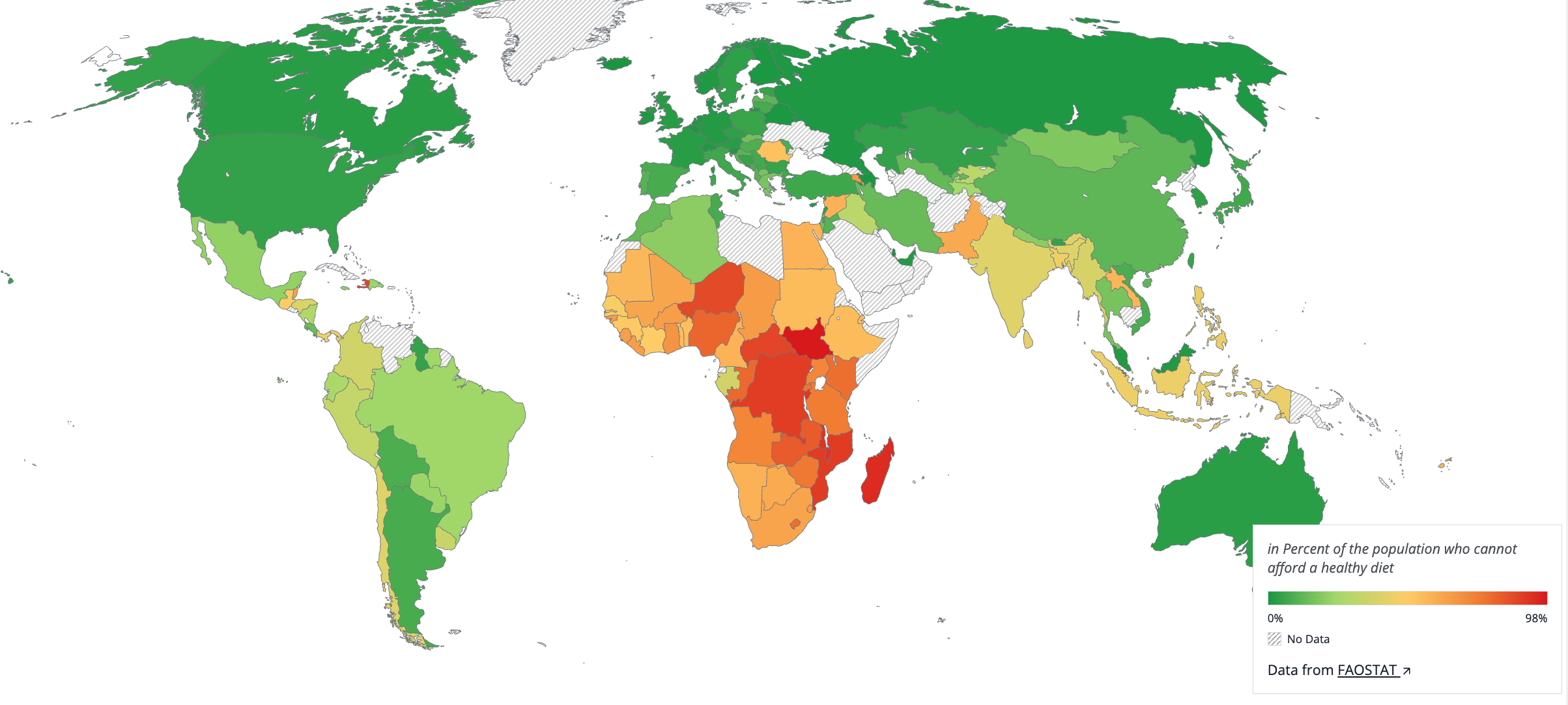
Food Systems Dashboard
The Food Systems Dashboard combines data from multiple sources to give users a complete view of food systems. Users can compare food system components across countries and regions. They can also identify and prioritize ways to sustainably improve diets and nutrition in their food systems. The Dashboard contains over 250 indicators that measure components, drivers, and outcomes of food systems at the country level. Most Dashboard data is open source and available to download directly from the website. The data are pooled from FAO, Euromonitor International, the World Bank, and other global and regional sources. Anyone interested in or involved in food systems can use the dashboard.
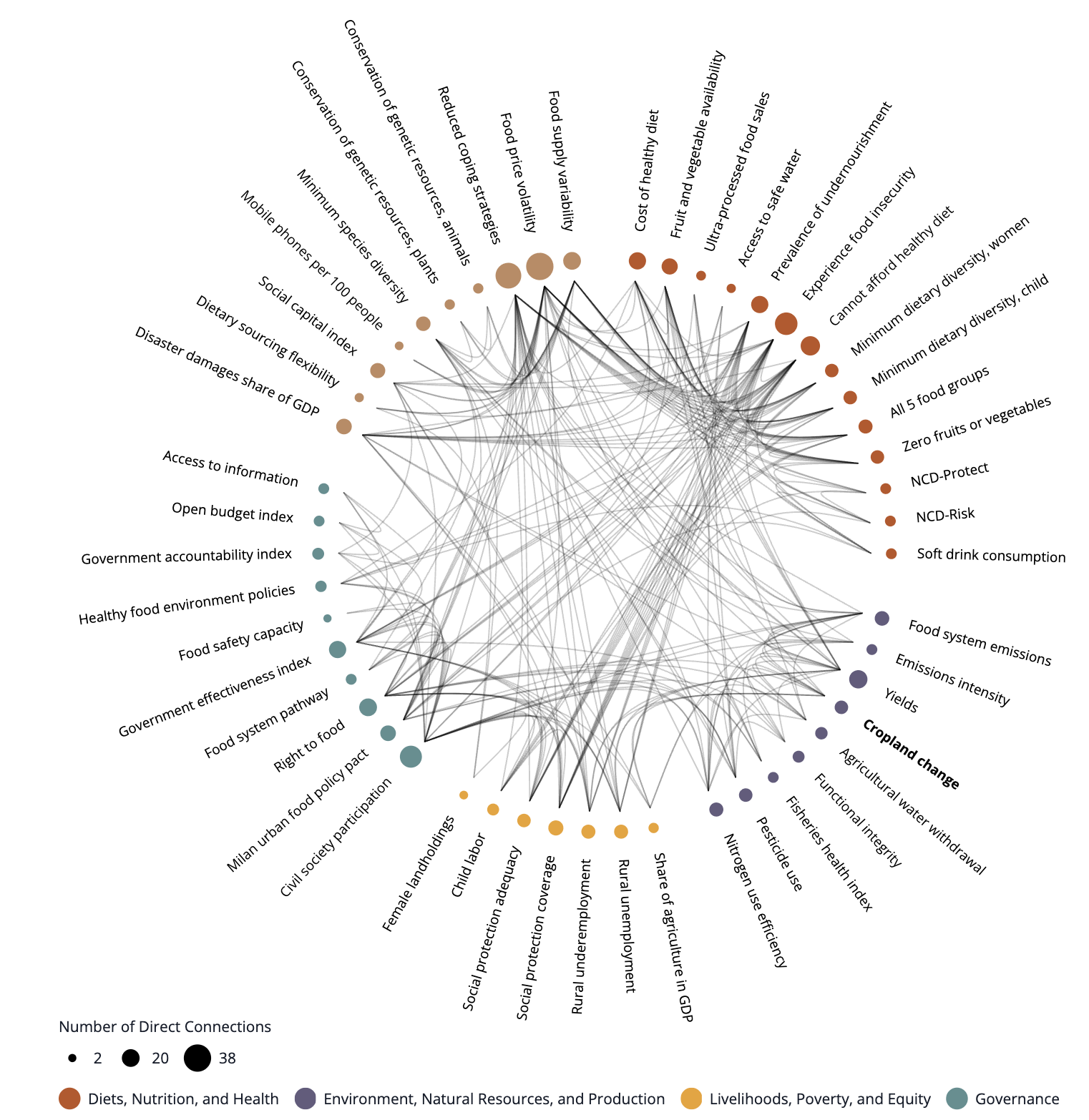
Food systems countdown to 2030 initiative
The Food Systems Countdown Initiative is building a science-based observational system, using a food systems framework, to track global food systems and their changes through 2030. Deliberately changing complex systems that cut across sectors, jurisdictions, and national borders calls for a comprehensive, ongoing program of scientific measurement and assessment of all aspects of the system and their interactions to guide decision-makers and hold those in power to account for transformation. Food system actors and stakeholders (e.g., civil society, governments, and international organizations) need actionable evidence to make decisions that can bring about food system transformation, yet no such mechanism currently exists. The Food Systems Countdown Initiative will produce annual publications to measure, assess, and track global food systems' performance toward 2030 and the conclusion of the Sustainable Development Goals.

food flows
Food Flows is a research project that builds and contributes to an evidence base to inform action to alleviate food insecurity and build environmentally sustainable food environments for vulnerable populations. Achieving the dual goals of human health and planetary well-being will require a major transformation of agricultural systems and dietary patterns. Beyond producing food for everyone, food systems must function efficiently and equitably to support sustainable, healthy diets for the world’s population. Food Flows centers on rivers and, specifically, riparian communities and their reliance on these bodies of water for livelihoods, food, and food environments. The collaborative research uses multidisciplinary methods to understand and characterize the individual factors and food environments that shape these communities' food choices and diets.
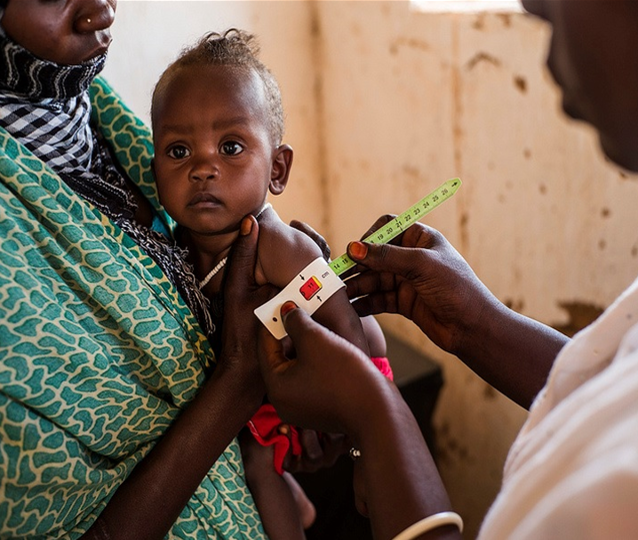
Improving climate services for nutrition practitioners
Climate change and extreme weather events are linked to malnutrition through several interconnected pathways. Food, water, health, and social protection systems are the main channels through which climate change affects nutrition, and the main levers for reducing risk. Yet despite extensive evidence of these effects, significant barriers remain to connecting local public health and nutrition practitioners with climate services. National nutrition programs aim to address the underlying drivers of malnutrition, but far less is known about how these programs incorporate climate change and climate shocks into their operations. Public health and nutrition practitioners increasingly need better access to climate services, information, tools, and training to respond to the health challenges climate disruption creates for the populations they serve. Our multidisciplinary team is partnering with communities to customize climate services, ensuring resource-constrained nutrition and health programs and practitioners are equipped to improve the nutrition resilience of climate-vulnerable communities. Work is taking place in Ethiopia and Indonesia.