The Archive Appetizer: Integrating Climate Services for Nutrition Action

Recently, my team published a review exploring the intricate relationship among climate change, food security, and nutrition. Our study is rooted in the understanding that climate change significantly affects nutritional outcomes, particularly among vulnerable populations. We conducted a scoping review to identify and synthesize country-level programs that effectively integrate climate services into health systems and nutrition interventions. By doing so, we aimed to highlight the diverse strategies employed across settings, focusing on both direct and indirect interventions related to health and nutrition, while emphasizing the need for aligned actions across sectors.

Our findings revealed 67 country-level programs that demonstrate innovative approaches to addressing the challenges posed by climate extremes, such as floods and droughts. We categorized these interventions using a framework that considers direct health-care strategies and various other sectoral strategies that affect nutrition.
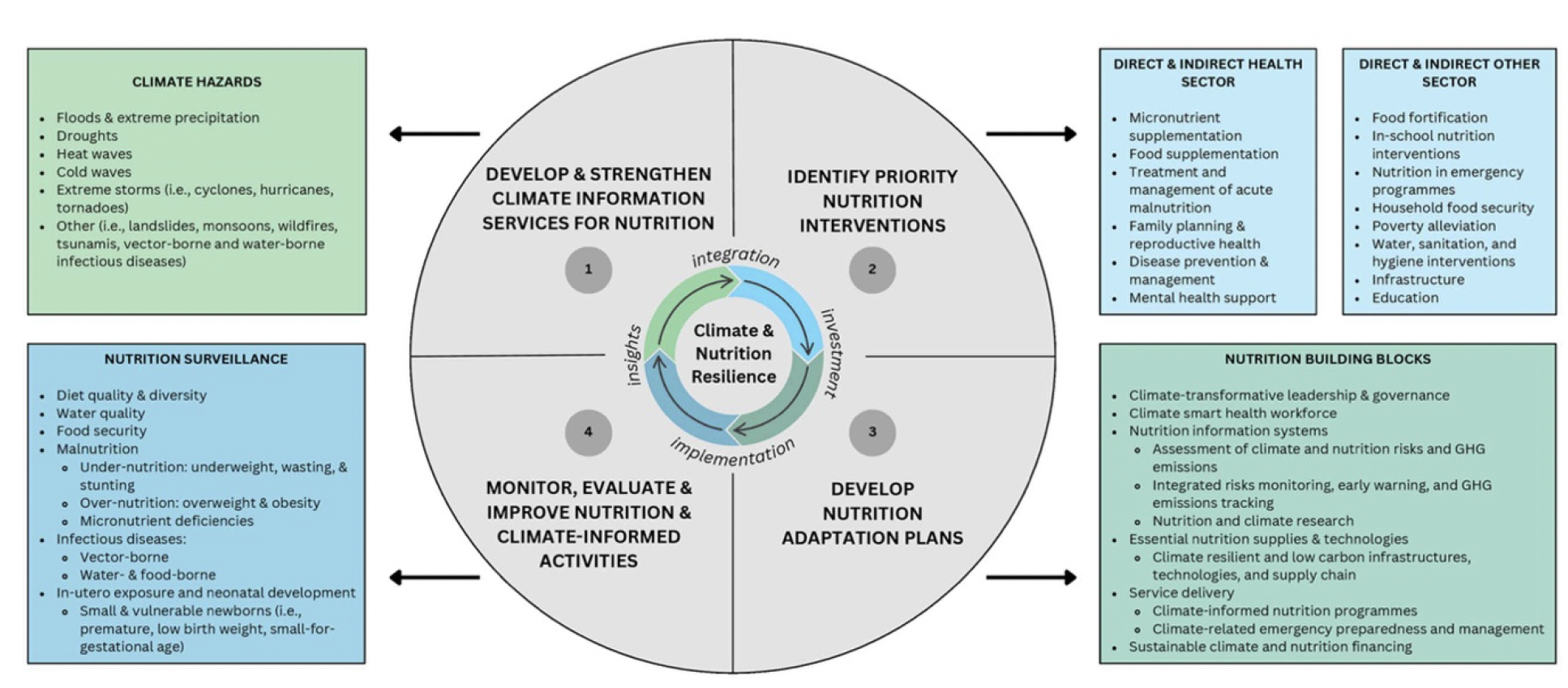
Climate information and national nutrition planning and response conceptual framework (Carducci et al 2025)

Of these 67 programs, 42 were single-component, while 25 were multi-component, showcasing a variety of approaches to address the interconnectedness of climate change, nutrition, and health. For example, several initiatives specifically targeting women and children were noted, although many programs were more generalized, addressing broader populations affected by climate-related hazards.
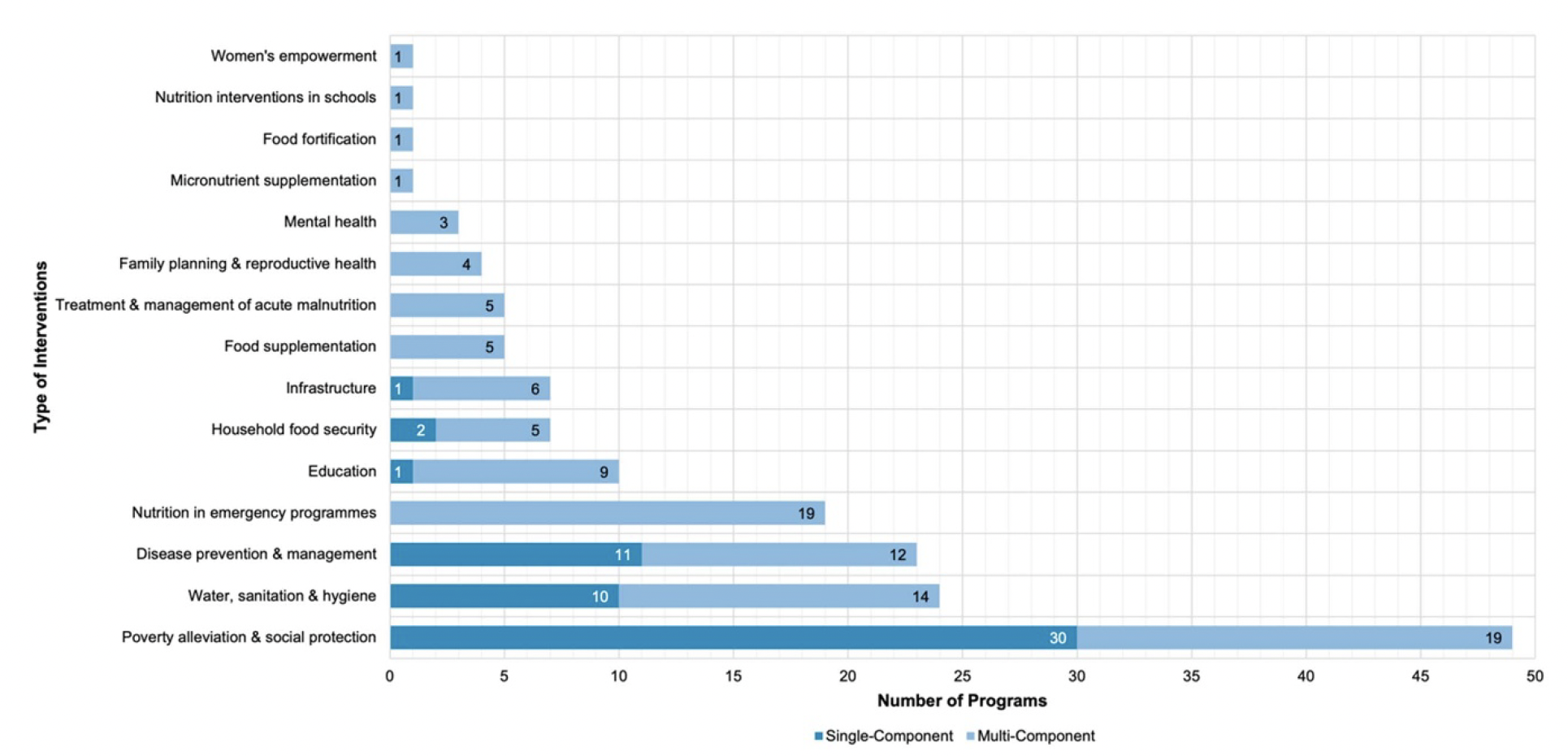
Number of programs, by intervention type and component (Carducci et al 2025)

Among the specific programs mentioned, strategies varied widely across regions. In Bangladesh, for instance, multi-hazard climate information services were implemented to prepare for floods and droughts, while in Uganda, the Global Flood Awareness System was used to prevent disease, particularly diarrhea and malaria. Notably, Burundi's programs focused on anticipatory actions for flood management, incorporating both national and regional climate prediction efforts. Meanwhile, Zambia's initiatives used climate information to enhance malaria control efforts, underscoring the importance of integrating local and international resources to address public health challenges.

Interestingly, many initiatives were found to be more indirect, operating outside of traditional health interventions. This underscores the critical need for collaboration across sectors to prepare for and respond to climate-related challenges while improving nutritional outcomes for affected communities.

In conclusion, we advocate for strong partnerships between climate information service providers and stakeholders in the health and nutrition sectors. Our synthesis emphasizes that integrating climate services into nutrition policy and programming is not only beneficial but also necessary for developing resilient strategies to protect public health from the impacts of climate change. Through effective cooperation, knowledge sharing, and a focus on data-driven approaches, we can enhance our preparedness and response to the intertwined challenges of climate change and nutrition.
Navigating Climate and Nutrition Challenges

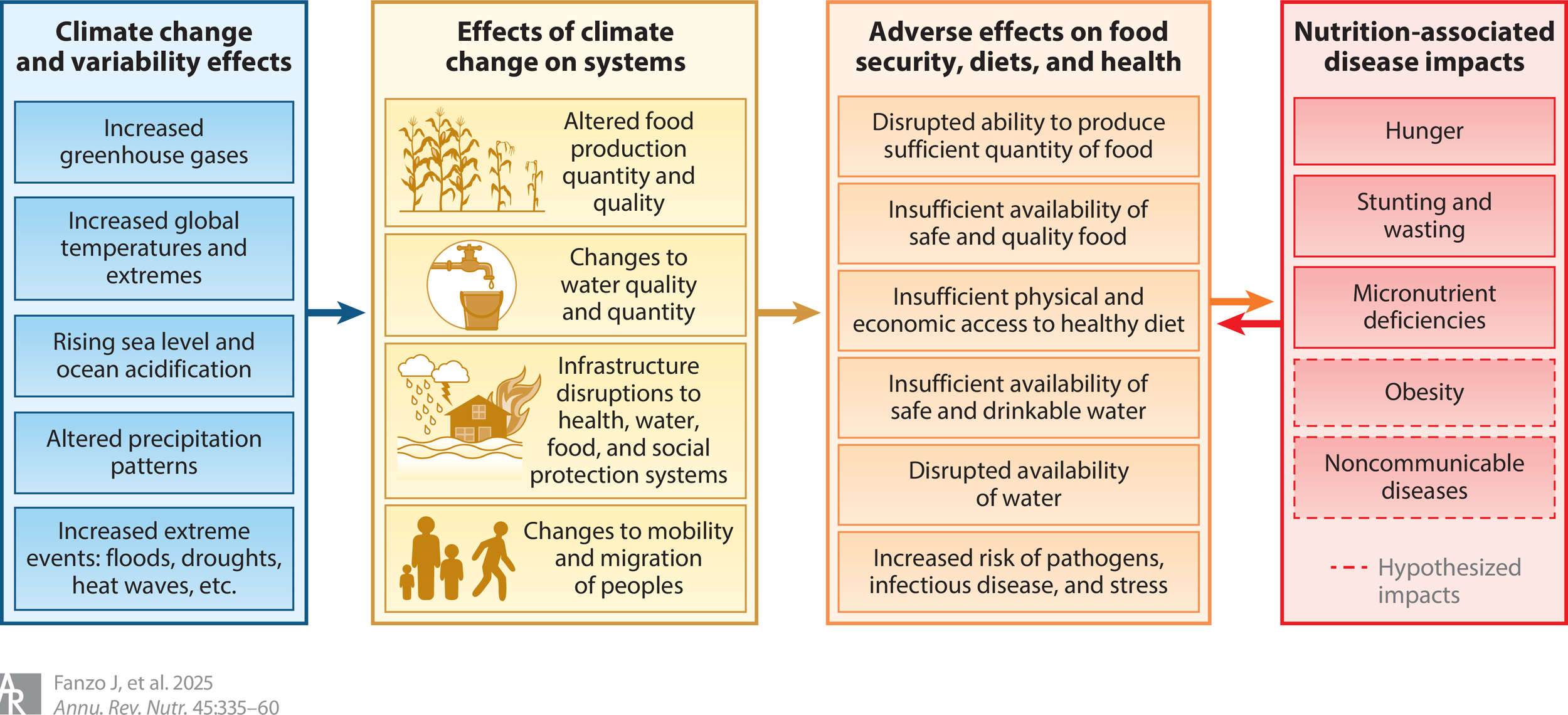
In the ongoing discourse surrounding climate change, the world needs a deeper examination of the multifaceted effects climate change and extreme weather events exert on global nutrition and food security. Climate change will likely intensify food insecurity, malnutrition, and the prevalence of noncommunicable diseases worldwide, as shifting climatic conditions disrupt agricultural production and water availability. It is also recognized that enduring effects can be expected as warming converges multiple climate stressors, thereby aggravating pre-existing vulnerabilities in food systems, particularly in low-income and resource-challenged regions.

We published a paper in the Annual Reviews of Nutrition this past year that highlights the intricate connections between extreme climate events and nutrition outcomes. Overall, as the review suggests, current studies on the impacts of climate change on nutrition remain limited, particularly regarding overlapping crises such as conflict and economic instability, which compound the effects of climate stressors.

One of the critical findings of the review is that extreme weather events, particularly droughts and floods, are strongly associated with various forms of malnutrition. For example, a systematic review and meta-analysis indicated that climate-related precipitation events, such as excessive rainfall and drought, are positively correlated with malnutrition. However, the nature of these effects varies by location, age, gender, and timing. The analysis suggested that drought conditions are significantly associated with increased rates of childhood wasting—a condition in which children are acutely malnourished and exhibit a low weight-for-height ratio.

An analysis involving 580,000 observations of children across 53 countries further supports this assertion. By using a derived Standardized Precipitation Evapotranspiration Index (SPEI), researchers investigated how precipitation anomalies may be associated with increased malnutrition among children. This study emphasizes the critical impact of climate variability on the nutritional status of vulnerable populations, particularly children under 5 years of age. However, the findings regarding underweight prevalence were less conclusive, primarily because various factors influence underweight and do not capture the full spectrum of malnutrition as comprehensively as stunting or wasting.

The review also emphasizes the need to explore the compounding risks posed by extreme weather events in a more nuanced manner. Extreme weather and climate events often occur in complex combinations—referred to as compounded events—that can exacerbate consequences not just for food security but also for population health. However, research remains limited in understanding the temporal and spatial nature of these compounding events and their specific impacts on nutrition outcomes.

Consequently, we assert that there is a pressing need for more sophisticated research methodologies, including longitudinal studies, to understand better the causal relationships and dynamic interactions between climate variability and nutrition. We should pay special attention to the need to employ advanced data analysis to assess the intricate patterns within these phenomena, thereby equipping policymakers with better insights for effective responses.

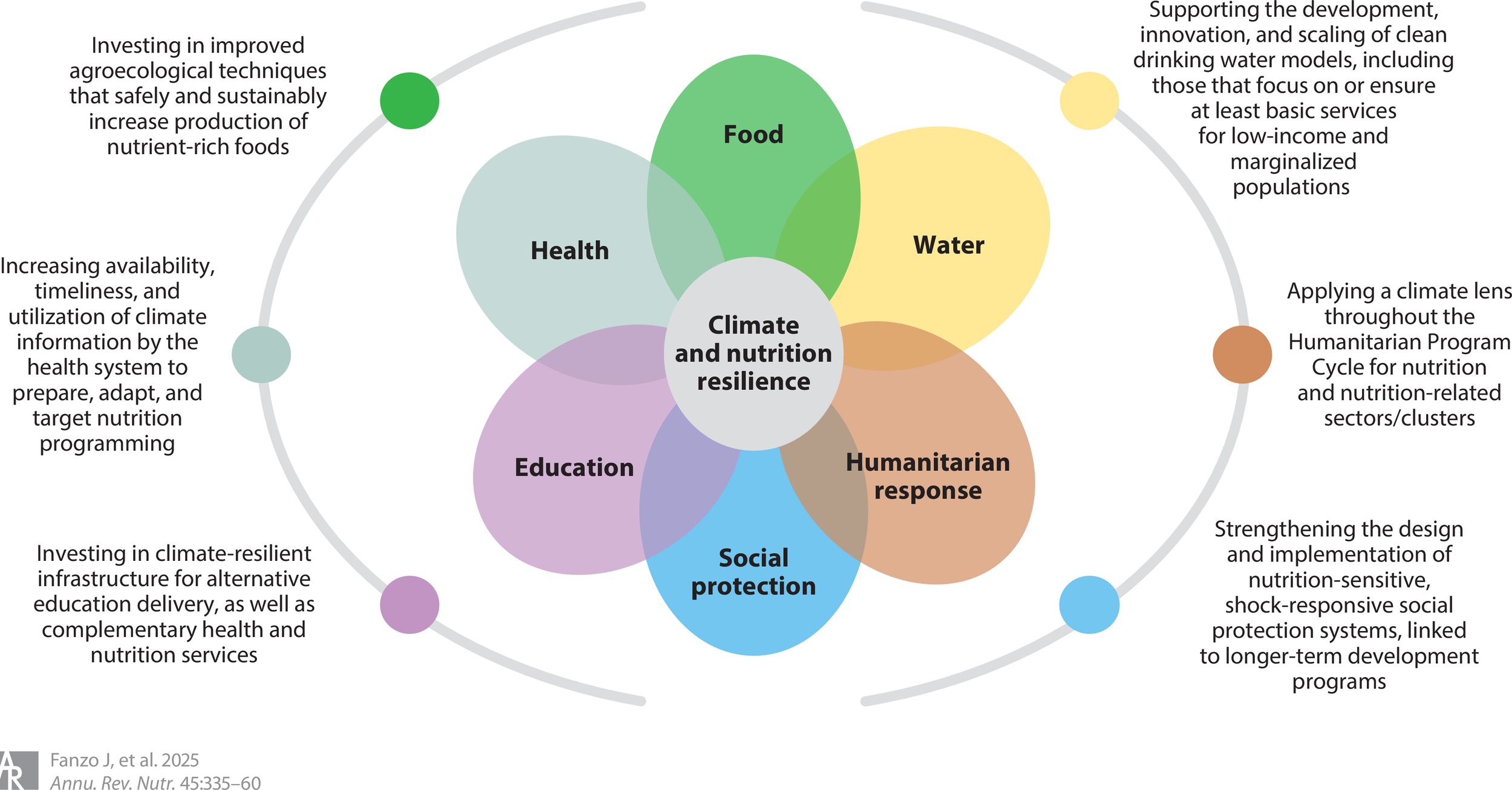
In summary, our understanding of how extreme climate events influence nutrition outcomes reveals both the severity of the challenges we face and the gaps in existing research. We must address the urgency of obtaining comprehensive data, refining analytical methods, and fostering interdisciplinary partnerships to understand better and respond to the dynamic relationship between climate variability and nutritional outcomes. Only through these concerted efforts can our global community hope to develop effective policies to build resilience against the inevitable shifts that climate change will bring to food systems and human health.

FOOD BYTES: WEEKLY NIBBLES FROM APR 5 - 21

Food Bytes is a weekly blog post of “nibbles” of information on all things food and nutrition science, policy and culture.

After all the chaos of the Mueller report and sanctuary cities here in the U.S., I found much joy in tuning out, and instead reading about our fellow friend, the coyote’s diet. Turns out, they eat a lot of cats. Not so much roadrunner. Talk about the new urban hunter! The researchers who investigated the scat of these stealthy creatures also found that their diets consisted of “baseballs, shoes, furniture, and bedazzled jewels.” Hide your pets…

National Academy of Sciences, Engineering and Medicine report: Sustainable Diets, Food and Nutrition

The National Academy of Sciences, Engineering and Medicine held a a public workshop in Washington, DC, in mid 2018 on sustainable diets, food, and nutrition. Workshop participants reviewed current and emerging knowledge on the concept of sustainable diets within the field of food and nutrition; explored sustainable diets and relevant impacts for cross-sector partnerships, policy, and research; and discussed how sustainable diets influence dietary patterns, the food system, and population and public health. This publication summarizes the presentations and discussions from the workshop.

This week, climate change was on the minds of many, with young people marching in the streets and young, but wise Greta Thunberg showing her courage in the fight, hence being honored by Time magazine as one of the 100 most influential people.

We at Johns Hopkins hosted an event on food and water security in the era of climate change. We had some really fantastic experts speaking at the event. I was hoping for a sold out house, but no such luck. We had good attendance but I guess people don’t care that much about the changing climate. I have no other explanation. Here is what the event was about:

The media headlines in the last two weeks showing Nebraska and Mozambique underwater are tragic glimpses of a new era - the era of climate-related natural disasters. Climate change is and will continue to impact the lives of everyone, and will have significant ramifications on both water and food security globally. Climate-related impacts affect water availability in regions that are already water-stressed, as well as the productivity of both irrigated and rain-fed agriculture. Rising temperatures translate into increased crop water demand and have consequences for food availability, and potentially, the nutritional content and quality of crops. Likewise, insufficient and compromised food access and utilization influence households and individuals ability to access healthy diets and drinking water, which can have detrimental health outcomes. No one is immune — both the livelihoods of rural communities and food security of urban populations are at risk of water insecurity linked to climate variability. The rural poor, in particular, are disproportionately affected by climate effects. It is likely that climate variability and change will continue to exacerbate food insecurity in areas currently vulnerable to hunger and undernutrition. There is an immediate need for considerable investment in adaptation and mitigation actions toward “climate-smart agriculture, water and food systems” that are resilient to climate-related shocks. This seminar will delve into water and food security in the midst of a changing climate and what we can do as a global community to adapt and mitigate.

Speaking of climate change, I really liked this piece by Richard Waite and Janet Ranganathan of the World Resources Institute (a speaker at our event) on beef and climate. They unpack 6 common questions about the contentious topic of the sustainability of beef production systems and climate change. Here they are:

  1. Q: How does beef production cause greenhouse gas emissions? A: Through the agricultural production process and through land-use change.

  2. Q: Is beef more resource-intensive than other foods? A:Yes.

  3. Q: Why are some people saying beef production is only a small contributor to emissions? A: Such estimates commonly leave out land-use impacts, such as cutting down forests to establish new pastureland. I think it is politics and some denial there too…

  4. Q: Can beef be produced more sustainably? A: Yes, although beef will always be resource-intensive to produce.

  5. Q: Do we all need to stop eating beef in order to curb climate change? A: No.

  6. Q: Would eating less beef be bad for jobs in the food and agriculture sector? A: Not necessarily

If you want to read their long responses, check out the article! They also have a ton of solutions in their Creating Sustainable Food Futures report and in the figure below.

World Resources Institute’s Menu of Options from their most recent report: Creating Sustainable Food Futures

And climate change is definitely real. Farmers are feeling the effects. A NYT article looked at Honduran coffee farmers are being hit hard. Estimates suggest that least 1.4 million people will flee their homes in Mexico and Central America and migrate during the next three decades. But if Trump has his way, they will be met with a Game of Throne like wall…

Johns Hopkins Global Food Ethics and Policy Program newsletter

Last but not least, there is a lot of talk about cultural appropriation around food these days. A restaurant opened in New York called “Lucky Lee's”, a new Chinese restaurant, not run by Chinese but a Jewish American couple who wanted to have a Chinese restaurant that served “clean” food that was healthy. Not sure what the hell they were thinking. You can’t really mess with food particularly because it is so deep rooted in people’s culture and tradition. It holds a special place in society and it gets quickly politicized when you remove it from its core identity.

And last, last but not least, the Global Food Ethics and Policy Program at the Berman Institute of Bioethics at the Johns Hopkins University puts out a weekly newsletter on interesting articles in the food space, much like this one. It is curated by Claire Davis at the Berman, and I find it to be a rich source of information on ethics and politics of food and nutrition. I encourage you to sign up for it. It is also in the Food Archive resources section.